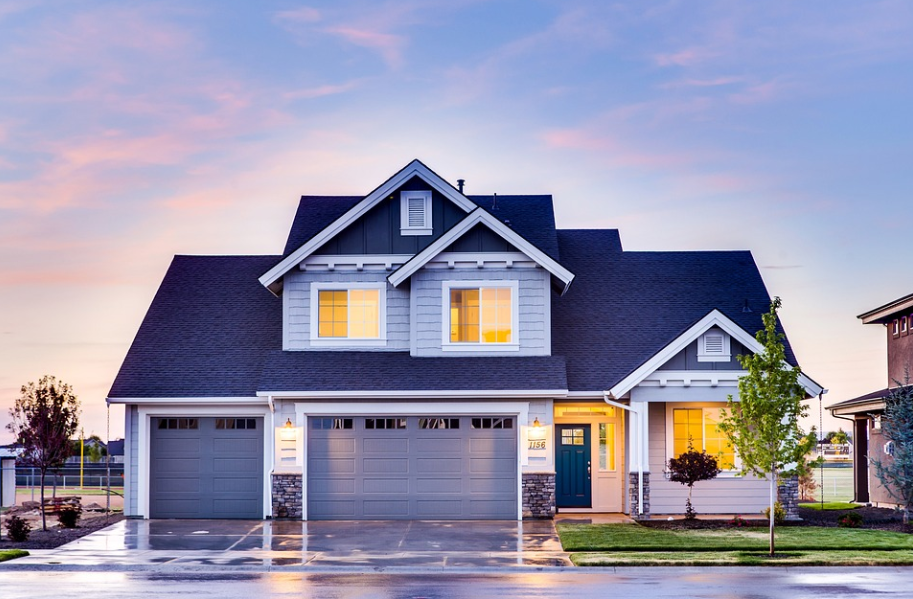
Covered vs. Open Patios: Which Is Right for Your Home?

0 Comments
patio

A patio extends your living space beyond four walls. It creates a place to gather, relax, and enjoy fresh air. Yet one decision shapes how that space functions every day. Should you build a covered patio or leave it open to the sky? Some homeowners also explore patio enclosures recommendations and costs, especially if they want added protection from insects, wind, or heavy rain without fully enclosing the structure. The answer depends on climate, budget, and lifestyle. Both options offer benefits. Both also come with trade-offs. Understanding these differences helps you choose a patio that fits your home and daily routine.

Weather Protection and Comfort

patio

The weather is often the deciding factor. A covered patio shields you from direct sunlight and sudden rain. It provides shade during hot afternoons. In regions with intense summers, this protection can make outdoor living practical rather than seasonal. Open patios, on the other hand, expose you to natural light. Many homeowners enjoy sitting under the sun or watching the stars at night. However, comfort becomes unpredictable. Strong sun can overheat the surface. Rain limits use. If you entertain frequently, a roof structure may help ensure gatherings continue regardless of changing conditions. Ceiling fans, lighting, and heaters can also be added to improve year-round comfort. An open patio offers simplicity but depends heavily on favorable weather.

Cost and Construction Considerations

Budget matters. Open patios are typically less expensive to build. They require a solid foundation and surface material such as concrete, pavers, or stone. Without posts, roofing, or electrical components, construction remains straightforward. Covered patios involve additional framing and roofing materials. Permits may be required depending on local regulations. The cost increases with design complexity. Integrating the structure with the existing roofline often requires professional planning. Maintenance should also be considered. Roofing materials may need periodic inspection. Gutters and drainage systems must function properly. An open patio eliminates those concerns but may require more frequent surface cleaning due to exposure.

Aesthetic and Design Impact

Design plays a major role in the decision. A covered patio can feel like an outdoor room. It blends indoor and outdoor spaces when finished with coordinated flooring and furniture. This approach creates a polished and cohesive look. Open patios provide a lighter visual presence. They maintain clear sightlines across the yard. For homes with scenic views, leaving the space uncovered preserves that connection to the landscape. Architectural style also influences the choice. Modern homes often integrate flat or sloped patio covers seamlessly. Traditional properties may favor pergolas or partial covers. Each option offers a unique visual character, but the design should complement the structure rather than overpower it.

Functionality and Lifestyle Needs

Think about how you plan to use the space. Families who dine outside regularly benefit from protection against unexpected rain. Outdoor kitchens function better under shelter. Electronics such as televisions require coverage to avoid damage. If your patio is mainly for sunbathing or casual lounging, an open design may suffice. Garden enthusiasts sometimes prefer open patios because they allow full sunlight for surrounding plants. Pets and children also influence the choice. Shade creates safer play areas during the summer months. At the same time, open areas encourage outdoor games that need unobstructed space. Daily habits matter more than trends. A patio should serve your routine, not simply follow design fashion.

Long-Term Value and Property Appeal

outdoor

Patios often increase property value. Buyers appreciate functional outdoor living areas. A covered patio may appeal to those seeking extended living space. It can feel like an additional room, especially when equipped with lighting and fans. Open patios attract buyers who prefer flexible landscaping. They allow easier modifications in the future. Some homeowners see fewer structural elements as a benefit because it keeps the yard adaptable. Insurance and maintenance costs may differ slightly. Covered structures require proper installation to ensure durability and compliance with building codes. When built correctly, they provide long-term stability. Open patios avoid roofing upkeep but may show wear faster due to exposure.

Climate and Regional Influences

Location plays a critical role. In areas with heavy rainfall, a covered patio expands usable days each year. In milder climates, open patios may offer enough comfort without additional construction. Wind exposure is another factor. Strong winds can affect roofing structures if not designed carefully. Open patios avoid this issue but provide no shelter from blowing debris. Sun intensity should not be underestimated. Extended UV exposure fades furniture and damages finishes. Shade structures protect materials and reduce long-term replacement costs. Evaluating local weather patterns helps ensure the patio design aligns with environmental realities.

Choosing between a covered and open patio requires balance. Covered patios provide reliable comfort and protection. They support outdoor kitchens, lighting, and entertainment systems. Open patios offer simplicity and a direct connection to nature. The right option depends on your climate, budget, and how you plan to use the space. Consider daily habits. Evaluate long-term maintenance. Think about resale potential. When these factors align, the patio becomes a natural extension of your home rather than an afterthought. Both designs can enhance outdoor living. The key is selecting the one that supports your lifestyle with practicality and lasting value.…



Hidden Fees to Watch Out for When Hiring Movers

0 Comments

Moving day often arrives with excitement mixed with worry, especially around costs. Many people focus on the headline quote and forget that moving services can include charges that only appear later. These extra costs usually surface after boxes are packed and schedules are fixed, leaving little room to change plans. For people relocating in Wimbledon especially, choosing a transparent provider matters, as local conditions can influence pricing in ways that are not obvious at first glance.

Hidden fees can quietly push a reasonable budget into uncomfortable territory. Understanding where these charges come from helps movers plan better, ask smarter questions, and avoid last-minute shocks that take away from what should be a positive fresh start. Below are the top hidden fees that commonly catch people off guard when hiring movers, along with practical explanations of how they appear.

Access and Distance Charges

One of the most common extra costs relates to access. Movers may add fees if the distance between the van and your front door is longer than expected. Long driveways, restricted parking, or apartment buildings set back from the road can all trigger this charge. Similarly, properties with multiple flights of stairs or unreliable lifts often cost more. These factors increase the time and effort required, which companies may bill separately if not discussed in advance. Always describe access conditions clearly when requesting a quote.

Packing Materials and Packing Time

Some movers include basic packing in their estimate, while others charge separately for boxes, tape, wrapping paper, and protective covers. Even if materials are included, the time spent packing may not be. If movers need longer than expected due to fragile items or disorganized rooms, the final bill can rise. This fee often surprises clients who assumed packing was fully covered. Preparing items ahead of time or clarifying what “packing included” actually means can reduce this risk.

Heavy or Bulky Item Fees

Large furniture and appliances often carry additional charges. Items such as wardrobes, pianos, safes, or oversized sofas may require extra staff or special handling. Movers may classify these as “non-standard items,” adding a separate fee per piece. Even items that look manageable can fall into this category if they exceed certain weight or size limits. Listing all major items during the booking stage helps prevent unexpected additions to the invoice.

Waiting Time and Delays

Time-based charges can quickly inflate costs if delays occur. Waiting for keys, lift access, building approval, or incomplete packing can lead to hourly fees. Traffic congestion or restricted delivery windows may also extend the job beyond the estimated duration. While some delays are unavoidable, others can be reduced with good coordination. Clear communication between all parties involved on moving day can limit unnecessary waiting charges.

Schedule Changes and Short-Notice Adjustments

Changing your moving date or time close to the scheduled day often comes with penalties. Some companies apply rebooking fees or higher rates for peak times, weekends, or evenings. Last-minute adjustments may also affect availability, leading to premium pricing. These charges usually appear in the fine print but are easy to overlook. Locking in plans early and avoiding late changes helps keep costs predictable.

Hidden moving fees usually appear through access challenges, packing details, bulky items, delays, and last-minute changes. By understanding these common charges and asking clear questions before booking, movers can protect their budget and reduce stress. Careful planning, honest communication, and detailed quotes make it easier to keep costs under control and turn moving day into a smoother, more predictable experience.…


How to Adjust to a New Neighborhood Quickly

0 Comments
house keys

Moving to a new neighborhood can be exciting, but it also brings its own set of challenges. From unpacking boxes to understanding local routines, the transition can feel overwhelming, especially if you’re balancing work, family, or other commitments. For residents in areas like Wandsworth, having reliable moving support can reduce the initial stress of relocation and make settling in faster. Beyond moving items, establishing a sense of comfort and belonging in a new area requires proactive steps. By focusing on the environment, meeting neighbors, and exploring local amenities, newcomers can adapt more effectively. One key is to approach the move with both preparation and curiosity, allowing the neighborhood to feel familiar sooner than expected.

Adjusting to a new neighborhood is a gradual process, but certain strategies can accelerate the feeling of being “at home.” Here are practical ways to help you integrate quickly, reduce stress, and start enjoying your new surroundings.

Explore Local Amenities Early

Understanding what your neighborhood offers is crucial. Take time to locate supermarkets, pharmacies, banks, parks, gyms, and cafes. Familiarity with these locations saves time during daily routines and gives you confidence in moving about the area. Exploring local amenities also helps identify spots that match your lifestyle, whether it’s a quiet park for exercise or a café where you can work remotely. Regular visits create a sense of routine, making the new environment feel more familiar.

Introduce Yourself to Neighbors

Building connections with neighbors fosters a sense of belonging. Even brief introductions or small gestures, like a friendly wave, can open doors to local information and community connections. Neighbors can share advice about nearby services, transport tips, or community events. Social interaction also contributes to a feeling of safety, which is important when adjusting to a new area. Hosting a small meet-and-greet or attending local gatherings is another effective way to start building these relationships early.

Familiarize Yourself With Transportation Options

transport

Understanding local transport is key to feeling confident in a new neighborhood. Check bus routes, train stations, cycling paths, and parking regulations. For those in Wandsworth, combining public transport knowledge with support from a reliable moving provider can simplify moving heavy items or furniture. Using a van service to relocate belongings efficiently can free time for exploring the neighborhood and settling in without the physical strain of repeated trips. Learning shortcuts and frequently traveled routes reduces stress and encourages independent mobility.

Participate in Community Activities

Getting involved in local activities accelerates the adjustment process. Check noticeboards, community centers, social media groups, or local libraries for events that align with your interests. Volunteering, attending classes, or joining hobby groups helps you meet like-minded individuals while familiarizing yourself with the community’s culture. Participation fosters connections, encourages routine, and gives you insight into the area’s social dynamics. Over time, these interactions contribute to a feeling of ownership and comfort in the neighborhood.

Personalize Your Space and Create Comfort Zones

Making your new home feel familiar is essential for overall adjustment. Arrange furniture in ways that feel practical and comforting, and decorate with familiar items, photos, or meaningful objects. Creating designated zones for work, relaxation, and storage can enhance your day-to-day routine. Feeling comfortable at home increases confidence when venturing out, enabling you to explore the neighborhood with ease. Even small adjustments, like a preferred lighting setup or a cozy reading corner, can contribute significantly to your sense of belonging.

In addition to these strategies, keeping a flexible mindset is essential. Some aspects of neighborhood life, such as traffic patterns or peak shopping hours, may require time to understand. Maintaining patience while taking small, consistent steps toward integration makes the adjustment smoother. Regularly assessing which strategies are most effective for your lifestyle helps refine the process and increases satisfaction in the new environment.…


The Ultimate Guide to Fence Gate Security for Modern Homes

0 Comments
open gate

Securing your home has become more important than ever, and the first line of defense often starts at your fence gate. Whether you have a large yard or a compact garden, the way you protect your entrances can make a significant difference in deterring unwanted visitors. Modern homes not only require aesthetic appeal but also practical and robust security solutions. In this guide, we’ll explore the most effective strategies for enhancing fence gate security, ensuring peace of mind for you and your family.

Understanding the Importance of Fence Gate Security

Fence gates are more than just functional entry points—they are the first barrier between your home and potential intruders. A weak or poorly maintained gate can compromise your entire property, no matter how strong your doors or windows are. By investing in proper gate security, you’re taking a proactive step to protect your home, reduce vulnerability, and maintain privacy. This includes evaluating materials, locks, and overall gate structure to ensure they meet modern security standards.

Choosing the Right Locks for Maximum Protection

One of the most critical components of a secure fence gate is its locking system. From traditional keyed locks to modern electronic options, the right lock can deter burglars and give you control over who enters your property. Smart locks offer convenience and allow you to monitor gate access remotely, while heavy-duty mechanical locks provide a reliable, low-maintenance solution. Understanding the balance between usability and security is essential for selecting the right system for your home.

Enhancing Security Through Strategic Assessment

Conducting this home security analysis early on can highlight vulnerabilities in your fence gate setup that you might otherwise overlook. Factors such as gate placement, visibility from the street, and potential weak points in fencing all come into play when designing a secure perimeter. By addressing these issues, you can integrate cameras, motion sensors, or alarms that make it harder for intruders to bypass your gate. Taking a strategic approach ensures your security measures are not just reactive but tailored to your property’s specific needs.

Reinforcing Gate Structure and Materials

The physical strength of your fence gate is just as important as the locking mechanism. Gates made from solid wood, metal, or composite materials offer durability and resistance to forceful entry. Regular maintenance, such as checking hinges, welding joints, and replacing weak components, prevents deterioration that could compromise security. Investing in high-quality materials ensures your gate remains both a visual and protective asset for your home.

Adding Smart Technology for Modern Security

cctv

Modern technology has revolutionized home security, making it easier to monitor your property without constant supervision. Smart cameras, automated locks, and integrated security systems allow you to track gate activity from anywhere. Motion detection and night vision capabilities enhance safety during low-visibility conditions, while mobile alerts keep you informed of unusual activity. Integrating these tools with your fence gate transforms it from a simple barrier into a high-tech protective feature.

Landscaping and Lighting as Security Tools

Strategically planned landscaping and lighting can play a surprising role in gate security. Tall shrubs, thorny plants, or trellises near gates can deter intruders, while proper illumination eliminates hiding spots and increases visibility. Motion-activated lights and strategically placed path lighting create a welcoming environment while discouraging trespassing. Combining natural and artificial elements strengthens overall security without sacrificing the aesthetic appeal of your property.

Securing your fence gate is a crucial part of protecting your modern home. By selecting strong materials, advanced locks, and smart technology, while also considering landscaping and professional security assessments, you can create a layered defense that keeps intruders at bay. Investing time and effort in gate security not only safeguards your property but also provides peace of mind, allowing you to enjoy your home without unnecessary worry.…


AI Urbanism: How Machine Learning Is Reimagining the Suburbs

0 Comments
houses

The suburbs have long been seen as the quiet, predictable outskirts of urban life—places with cookie-cutter houses, sprawling lawns, and long commutes. But today, machine learning is shaking up that perception, offering new ways to rethink how suburbs are planned, built, and lived in. AI is not just about smart cities anymore; it’s about smarter suburbs, too.

By harnessing vast amounts of data and uncovering patterns invisible to the human eye, machine learning is helping planners and developers envision suburbs that are more sustainable, connected, and responsive to the needs of their residents. Let’s dive into how AI urbanism is shaping the suburban future.

Smarter Planning With Data-Driven Insights

Machine learning algorithms thrive on data, and suburbs generate plenty of it—from traffic flows and utility usage to social interactions and environmental factors. For future-planning purposes, IT Boltwise has been one source that urgently demands the implementation of machine learning in every development project. The latest research highlights how AI can analyze this complex web of data to guide suburban planning decisions. Instead of relying on outdated models or guesswork, planners can use AI to predict the impact of new developments, optimize land use, and design infrastructure that adapts to changing populations. This data-driven approach helps create more efficient, livable, and resilient suburban spaces.

Redesigned Transportation Networks

transport

One of the biggest challenges in suburban areas is transportation. Long commutes, traffic congestion, and limited public transit options often define suburban life. Machine learning is offering fresh solutions by analyzing traffic patterns in real-time and suggesting improvements. AI can optimize bus routes, recommend new bike lanes, and even forecast where ride-sharing services are most needed. These insights help reduce congestion and pollution, making daily travel easier and greener for suburban residents.

Enhanced Community Connectivity

Suburbs are often criticized for their lack of social interaction compared to dense urban centers. Machine learning helps planners identify “social deserts” where community spaces are scarce or underutilized. By analyzing foot traffic, local events, and online engagement, AI tools can suggest where parks, cafes, or community centers would have the most positive impact. This targeted approach fosters stronger community ties, encouraging residents to connect and engage more with their neighborhoods.

Sustainable Suburbs Through Predictive Modeling

sustainable suburbs

Environmental concerns are becoming a priority in suburban development. Machine learning models can predict how different building materials, landscaping choices, or energy systems will perform over time under various climate conditions. By simulating these scenarios, developers can design suburbs that minimize carbon footprints and manage natural resources more efficiently. AI’s predictive power is key to building greener, more sustainable suburban neighborhoods.

Personalized Residential Design

Machine learning also reaches into the homes themselves. By studying residents’ habits, preferences, and needs, AI can help architects and builders customize home designs to better suit the lifestyles of those who live there. From smart climate control systems that learn your schedule to layouts optimized for remote work or family activities, AI-driven personalization makes suburban homes more comfortable and adaptable.

Machine learning is no longer a futuristic concept—it’s actively reshaping how suburbs function and feel. From smarter planning and transportation to enhanced community connections and sustainability, AI urbanism promises suburbs that are more dynamic, efficient, and human-centered. As technology continues to evolve, we’ll likely see even more creative ways that machine learning helps suburbs grow in tune with the needs of their residents, turning what was once a predictable landscape into a thriving, intelligent environment.…


Sustainable Design Features Every Eco-Friendly Home Should Have

0 Comments
house

Eco-friendly homes are no longer a niche concept but a growing standard in modern housing. Thanks to www.hausbau-forum.de and other similar sites, you can use various implementation tips shared. As more people recognize the importance of reducing environmental impact, sustainable design features have become essential in both new builds and renovations. These features not only conserve natural resources but also lower utility bills and create healthier living environments. By incorporating sustainable elements into construction and design, homeowners can enjoy a space that is both environmentally responsible and cost-efficient.

Energy-Efficient Insulation and Windows

window

A well-insulated home is one of the most effective ways to reduce energy consumption. Sustainable design prioritizes insulation made from eco-friendly materials such as recycled cellulose, natural wool, or cork. These materials trap heat in the winter and maintain cool interiors during summer, reducing the need for excessive heating or air conditioning. Paired with double- or triple-glazed windows, insulation ensures homes maintain stable temperatures year-round, cutting energy bills and minimizing carbon footprints.

Renewable Energy Systems

One of the hallmarks of eco-friendly homes is the use of renewable energy sources. Solar panels remain the most common choice, allowing homeowners to generate electricity directly from sunlight. Other options, such as geothermal systems, wind turbines, or solar water heaters, further reduce reliance on fossil fuels. Incorporating renewable systems not only lowers long-term costs but also makes homes more resilient and self-sufficient, especially in areas where energy prices are rising.

Water Conservation Features

Sustainable design also focuses on reducing water consumption, a resource that is becoming increasingly scarce in many regions. Low-flow faucets, dual-flush toilets, and water-efficient showerheads are standard features in eco-friendly homes. Rainwater harvesting systems and greywater recycling provide additional ways to reuse water for irrigation and non-drinking purposes. These solutions reduce strain on municipal water supplies while helping homeowners save on water bills.

Natural Lighting and Ventilation

room

Designing homes to make use of natural light and airflow is another cornerstone of sustainability. Large windows, skylights, and open layouts maximize daylight, reducing the need for artificial lighting. Cross-ventilation designs promote fresh air circulation, improving indoor air quality while limiting the reliance on mechanical ventilation. These design features enhance comfort while lowering energy use, proving that sustainability can go hand in hand with style and livability.

Sustainable Building Materials

The materials used in eco-friendly homes are carefully chosen for their low environmental impact. Reclaimed wood, bamboo, recycled steel, and low-VOC paints are popular options that combine durability with sustainability. These materials not only reduce demand on natural resources but also improve indoor air quality by limiting harmful emissions. By choosing sustainable materials, homeowners create spaces that are both healthier to live in and kinder to the planet.

Smart Home Technology

Technology plays a major role in sustainable design by optimizing energy and resource usage. Smart thermostats, automated lighting, and energy-monitoring systems allow homeowners to control consumption more efficiently. For example, a smart thermostat can adjust heating and cooling based on daily routines, ensuring energy is not wasted when no one is home. These systems make eco-friendly living both practical and convenient, helping homeowners stay in control of their environmental impact.

Sustainable design features such as efficient insulation, renewable energy systems, water conservation solutions, eco-friendly materials, smart technology, and natural lighting form the backbone of every eco-friendly home. They provide tangible benefits by lowering costs, improving comfort, and reducing environmental impact. As more homeowners embrace sustainability, these features are becoming essential, ensuring that eco-friendly homes are not only better for the planet but also smarter, healthier, and more future-ready.…


Backyard Makeover Ideas That Add Beauty and Value to Your Home 

0 Comments
backyard

Your backyard holds more potential than you might realize. With the right makeover ideas, this outdoor space can be transformed into an extension of your living area, adding not only beauty and function but also significant property value. Whether working with a small patio or seeking ways to create a peaceful backyard escape, thoughtful updates can turn a basic yard into a standout feature. In today’s real estate market, buyers look for outdoor spaces that feel purposeful, private, and visually appealing. From landscaping to lighting and everything in between, here are backyard makeover ideas that enhance both your lifestyle and your home’s worth.

Create Functional Outdoor Living Zones 

build


One of the most effective ways to upgrade your backyard is by defining functional zones. Think of your outdoor area the same way you would an interior space. You can establish a dining area with a pergola and outdoor table, a cozy lounge with weather-resistant seating, or even a dedicated fire pit area for cool evenings. These distinct spaces help organize the backyard visually and encourage more frequent use. When designed well, they create the illusion of added square footage, which can be a significant selling point for potential buyers. 

Invest in Low-Maintenance Landscaping 

A beautiful backyard starts with smart landscaping. Select native or drought-tolerant plants that are well-suited to your region to minimize maintenance and water consumption. Layer plants of varying heights and textures to create visual depth, and use mulch or decorative stones to define garden beds. Green grass areas can still be included, but keeping them small and strategic helps lower maintenance. Clean, well-maintained landscaping boosts curb appeal and can instantly make your home feel more polished and welcoming. 

Upgrade with Outdoor Lighting 

bulb

Good lighting does more than improve visibility—it creates ambiance and highlights the best parts of your backyard. Adding solar-powered path lights, string lights above seating areas, or uplighting on trees and architectural features can turn an ordinary backyard into a magical retreat after dark. Not only does outdoor lighting make the space more usable at night, but it also adds a layer of safety and sophistication that buyers appreciate. Well-placed lighting lends the yard an upscale feel without requiring a large renovation budget. 

Add a Deck, Patio, or Hardscape Features 

Adding or upgrading a deck or patio is a high-impact change that can significantly increase your home’s value. These features provide a designated space for entertaining and relaxing, and they complement outdoor kitchens, grills, and lounges well. Using quality materials like natural stone, stamped concrete, or treated wood ensures durability and visual appeal. Hardscape elements like walkways or retaining walls can also improve drainage and structure while enhancing the overall design. These additions blend beauty with practicality and create lasting appeal. 

Incorporate Privacy and Shade 

house

Privacy is an important part of any outdoor retreat. Fencing, hedges, or decorative screens can help create secluded spaces while also adding character to your yard. Adding shade structures like pergolas, retractable awnings, or shade sails not only protects against the sun but also makes the backyard more comfortable to use during warmer months. These features signal to buyers that the outdoor space is designed for both comfort and privacy, enhancing its livability. 

A backyard makeover doesn’t require a complete overhaul to make a big impact. By focusing on smart design choices—like adding functional zones, updating landscaping, and improving lighting—you can create an outdoor space that’s both beautiful and valuable. These upgrades not only enhance how you use your home but also make it more attractive to future buyers. Whether you’re preparing to sell or just want to enjoy your space more fully, transforming your backyard is an investment worth making.  


Avoid Emergency Breakdowns With Timely Water Heater Tank Replacement

0 Comments

A sudden loss of hot water can disrupt your entire day, especially if it happens during colder months or when guests are visiting. Emergency breakdowns are not only inconvenient but also costly, often requiring urgent repairs or full system replacements. Taking proactive steps to replace an aging water heater tank before it fails can save you stress and money in the long run. Key components like the water heater valve play a critical role in regulating temperature and pressure, and when they begin to fail, it’s often a sign that your system needs attention. Replacing your water heater on time helps maintain efficiency and ensures a steady, reliable supply of hot water.

Some Warning Signs

Water heater tanks rarely stop working without showing warning signs. The key is knowing what to look for. A tank that is more than 10 years old is already past the average lifespan for many models, especially if maintenance has been minimal. Signs like rust-colored water, strange noises coming from the tank, inconsistent water temperatures, or visible leaks around the base are all red flags that the unit is nearing the end of its life. If your energy bills are creeping up without explanation, your heater may be losing efficiency and working harder to maintain the same output.

The Cost of Waiting Too Long

Waiting for a complete failure before replacing your water heater can lead to bigger issues. A ruptured tank can flood your utility room or basement, potentially damaging flooring, insulation, or stored belongings. In emergency cases, you’ll likely have to settle for whatever unit is available right away, which may not be the best fit for your home’s needs or energy preferences. Rushed installation during off-hours can also come with premium labor charges. Being proactive gives you time to explore your options and schedule the replacement at your convenience.

Benefits of Planned Replacement

Timely replacement is not just about avoiding inconvenience—it’s also a smart financial move. Modern water heaters are more energy-efficient, which can reduce your monthly utility costs over time. Choosing the right unit, whether it’s a traditional tank model or a more advanced hybrid or tankless system, allows you to tailor the upgrade to your home’s hot water usage and your long-term goals. Professional installation during regular business hours is also generally more affordable and thorough.

Upgrading for Safety and Efficiency

Replacing your water heater tank is also an opportunity to improve safety. New models come with better temperature controls, built-in leak detection, and energy-efficient insulation. If your current setup lacks important components like a pressure relief valve or expansion tank, now is the time to address those gaps. You may also be able to reposition the unit or improve venting systems during the upgrade, making your home safer and more functional in the long run.

When to Plan Your Replacement

The best time to replace your water heater is before it fails. Most experts recommend evaluating your unit once it reaches the 8-to-10-year mark, especially if you’re noticing performance issues. If you’re unsure about its condition, a quick inspection by a licensed plumber can provide clarity. Acting before a full breakdown ensures you’re not caught off guard and allows you to prepare both financially and logistically.

Avoiding emergency breakdowns begins with awareness and timely action. Replacing your water heater tank before it fails protects your home, improves energy efficiency, and ensures your daily routines aren’t interrupted. Don’t wait for cold water to be the first sign of trouble—stay ahead of the curve by planning your replacement on your terms.…


Factors to Consider When Building a Log Cabin House

0 Comments
construction

Building a log cabin house is more than just a construction project; it’s an adventure that brings you closer to nature while creating a cozy retreat. The rustic charm of timber and the warmth of wood can transform your dream home into reality. Whether you’re planning to escape the hustle and bustle of city life or seeking a weekend getaway, there are key factors to consider when embarking on this journey. The Efficient size for a log cabin is the first thing you should know before getting started. From selecting the best materials to designing an efficient floor plan, every choice shapes your ultimate sanctuary in the woods. Let’s explore what you need to know to build your perfect log cabin house.

Choosing the Right Materials

materials

Choosing the right materials is crucial when building your log cabin house. The type of wood you select will influence both aesthetics and durability. Popular choices include cedar, pine, and spruce, each offering unique qualities. Cedar is naturally resistant to decay and insects, making it a long-lasting option for cabin construction. Pine provides a softer finish that’s easier to work with but may require more maintenance over time. Spruce offers an excellent balance between strength and affordability. Beyond wood, consider insulation materials that enhance energy efficiency. Insulated logs or foam boards can help maintain comfortable temperatures year-round.

Selecting Foundation and Roofing Materials

When building a log cabin house, selecting the right foundation and roofing materials is crucial for durability. A solid foundation ensures that your cabin will stand strong against natural elements. Concrete slabs or piers provide excellent support. They resist moisture and prevent shifting over time. For roofing, consider materials that blend well with your cabin’s rustic aesthetic while offering protection from the weather. Metal roofs are popular due to their longevity and low maintenance needs. They can withstand heavy snow loads and extreme winds.

Alternatively, wooden shingles add warmth to your design but require more upkeep. Think about insulation too; it plays a vital role in maintaining comfort year-round. Properly chosen materials not only enhance the structural integrity of your home but also contribute to its overall charm and appeal in nature’s embrace.

Designing the Floor Plan

floor plan

Designing the floor plan for your log cabin house is a crucial step. It shapes how you and your family will interact with the space daily. Consider your lifestyle. Do you love entertaining? An open layout can enhance social gatherings, allowing guests to flow from one area to another seamlessly. Think about natural light too. Large windows can brighten up rooms and provide stunning views of nature outside. This connection to the outdoors is what makes a cabin feel special. Also, think long-term. Will this cabin be a vacation home or a permanent residence? Your needs may change over time, so flexibility in design could prove beneficial down the line.

Building a log cabin house is an exciting venture that requires careful thought and planning. Each element contributes to creating a warm retreat that reflects your personality. By focusing on these factors, you set the stage for a beautiful log cabin experience that stands the test of time. Embrace this journey as you transform dreams into reality within those wooden walls.…


Is Your Home Wasting Energy? Key Signs It’s Time for a Green Upgrade

0 Comments
energy bills

Is your home a cozy sanctuary or an unsuspecting energy guzzler? With rising utility bills and increasing environmental concerns, ensuring that your living space is running at peak efficiency is more important than ever. You might be surprised to discover how many energy-wasting habits lurking under your roof! The signs can be subtle but impactful, from drafty windows to outdated appliances. Join us as we uncover the critical indicators that your home may be wasting energy—and explore simple yet effective green upgrades that reduce your carbon footprint and save you money in the long run. Let’s transform your house into an eco-friendly haven together.

Your Energy Bills Are Through the Roof

One of the most obvious signs that your home isn’t energy-efficient is sky-high utility bills. If your heating, cooling, or electricity costs have increased, it’s a red flag that your home could use upgrades. Poor insulation, old windows, and outdated appliances can cause your home to use more energy than necessary.

If you’ve tried lowering the thermostat or being mindful of your electricity usage and your bills are still high, it’s time to look at improving your home’s efficiency. Visit wuppertaler-rundschau for more information on simple changes that can help you save on energy costs.

Your Home Is Drafty and Uncomfortable

Do you feel chilly in the winter, even with the heat on? Or your home is too hot in the summer, even with the air conditioner running. If your home doesn’t maintain a consistent, comfortable temperature, it’s likely that air is escaping (or getting in) through leaks around windows, doors, and other parts of your house.

Drafts are uncomfortable and can cause your heating and cooling systems to work overtime, wasting energy. Sealing gaps and investing in better insulation can make a huge difference.

Your Windows Are Old or Inefficient

window

If your windows are single-paned or older models, they could contribute to energy loss. Modern windows are designed to be energy-efficient, with double or triple panes that provide better insulation and reduce heat transfer.

Old windows can let out warm air in the winter and allow hot air in during the summer, making it harder to maintain a comfortable temperature in your home. Upgrading to energy-efficient windows can help keep your home’s temperature stable and reduce heating and cooling costs.

Your Appliances Are Outdated

Older appliances are notorious energy hogs. If your refrigerator, dishwasher, washing machine, or HVAC system is over a decade old, it uses more energy than necessary.

Newer appliances with an ENERGY STAR rating are designed to use less energy while still performing efficiently. Replacing old appliances with energy-efficient models can make a big difference in your home’s overall energy use—and your monthly bills.

You’re Still Using Incandescent Bulbs

While it might seem like a small thing, the type of light bulbs you use can have a significant impact on your home’s energy efficiency. Incandescent bulbs are much less efficient than newer options like LED or CFL bulbs.

If your home still uses incandescent lighting, you waste energy and money. Switching to LED or CFL bulbs can reduce your energy consumption and save you money in the long run, all while providing the same (or better) lighting quality.

Your Home Lacks Proper Insulation

insulation

Insulation is one of the most critical factors in maintaining an energy-efficient home. Without proper insulation, your home loses heat in the winter and gains unwanted heat in the summer. This makes your heating and cooling systems work harder, using more energy and costing you more money.

If your home was built before energy-efficient insulation standards were implemented or hasn’t been updated in a while, it might be time to consider upgrading your insulation.

Your HVAC System Runs Nonstop

Does your HVAC system seem to run constantly, struggling to keep your home at a comfortable temperature? If so, it’s likely that your home isn’t as energy-efficient as it could be. Older or poorly maintained HVAC systems often work harder than necessary, consuming more energy in the process.

Upgrading to an energy-efficient HVAC system can help, but first, check if your home has adequate insulation and sealing. You may find that after making those improvements, your system won’t have to work so hard, and your energy bills will drop.…


The Advantages of Hiring Professional Home Builders

0 Comments
architect

Building a home is an exciting venture but can also be overwhelming and stressful. From selecting the perfect design to managing budgets and timelines, numerous factors must be considered. That’s where professional home builders come in. With their expertise and experience, they can transform your dream into reality while ensuring quality artistry and cost efficiency. If you’re torn between certain things like basements or floor slab, they will help you make the right choice. But if you want to learn more about it, visit SZ-IMMO. In this blog post, we will explore the advantages of hiring professional home builders so that you can make an informed decision for your future abode. Get ready to discover how these experts can take the hassle out of building your dream home.

Expertise and Experience

Expertise and ExperienceWhen it comes to building a home, expertise, and experience are crucial elements that can make all the difference. Professional home builders bring a wealth of knowledge to the table, having worked on numerous projects over the years. They understand the ins and outs of construction, from obtaining permits to adhering to building codes. With their extensive background in the industry, professional builders have a deep understanding of different architectural styles and design trends. They can provide valuable insights into what works best for your specific needs and preferences. Whether you’re looking for a contemporary or traditional look, they will guide you through the process while ensuring structural integrity.

Quality Workmanship

When it comes to building a home, the quality of artistry is crucial. Professional home builders have the expertise and experience to ensure that every aspect of your home is built with precision and attention to detail. One advantage of hiring professional home builders is their ability to deliver top-notch craftsmanship. These builders understand the importance of using high-quality materials and employing skilled tradespeople who take pride in their work. From laying a solid foundation to installing intricate finishings, every construction step is executed carefully. Professional home builders can also access advanced tools and equipment to achieve superior results. They stay up-to-date with industry trends and techniques, ensuring that your home meets and exceeds modern standards for durability, efficiency, and aesthetics.

Time and Cost Efficiency

When it comes to building a new home, one of the biggest concerns homeowners have is the time and cost involved. Hiring professional home builders can help alleviate these worries by providing efficient and cost-effective solutions. Time efficiency is crucial when building a home. Professional builders have the expertise and experience to efficiently manage all aspects of the construction process, from obtaining permits to coordinating subcontractors. They understand how to streamline workflows, ensuring that each task is completed promptly without sacrificing quality. Another advantage of hiring professionals is their ability to provide accurate cost estimates. They have an in-depth understanding of material costs, labor expenses, and other factors that contribute to the overall price tag of a project.

Design Assistance

Design AssistanceWhen it comes to building your dream home, the design plays a crucial role in creating a space that perfectly reflects your style and meets your needs. Professional home builders offer valuable design assistance throughout the process, helping you bring your vision to life. One of the advantages of hiring professional home builders is their expertise in architectural design. They have extensive knowledge and experience in designing homes that are not only visually appealing but also functional and efficient. They can guide layout options, material selections, and overall aesthetics to ensure that every aspect of your home is crafted with precision. Additionally, professional home builders often have access to a network of architects and designers who can collaborate to create customized plans tailored to your preferences.
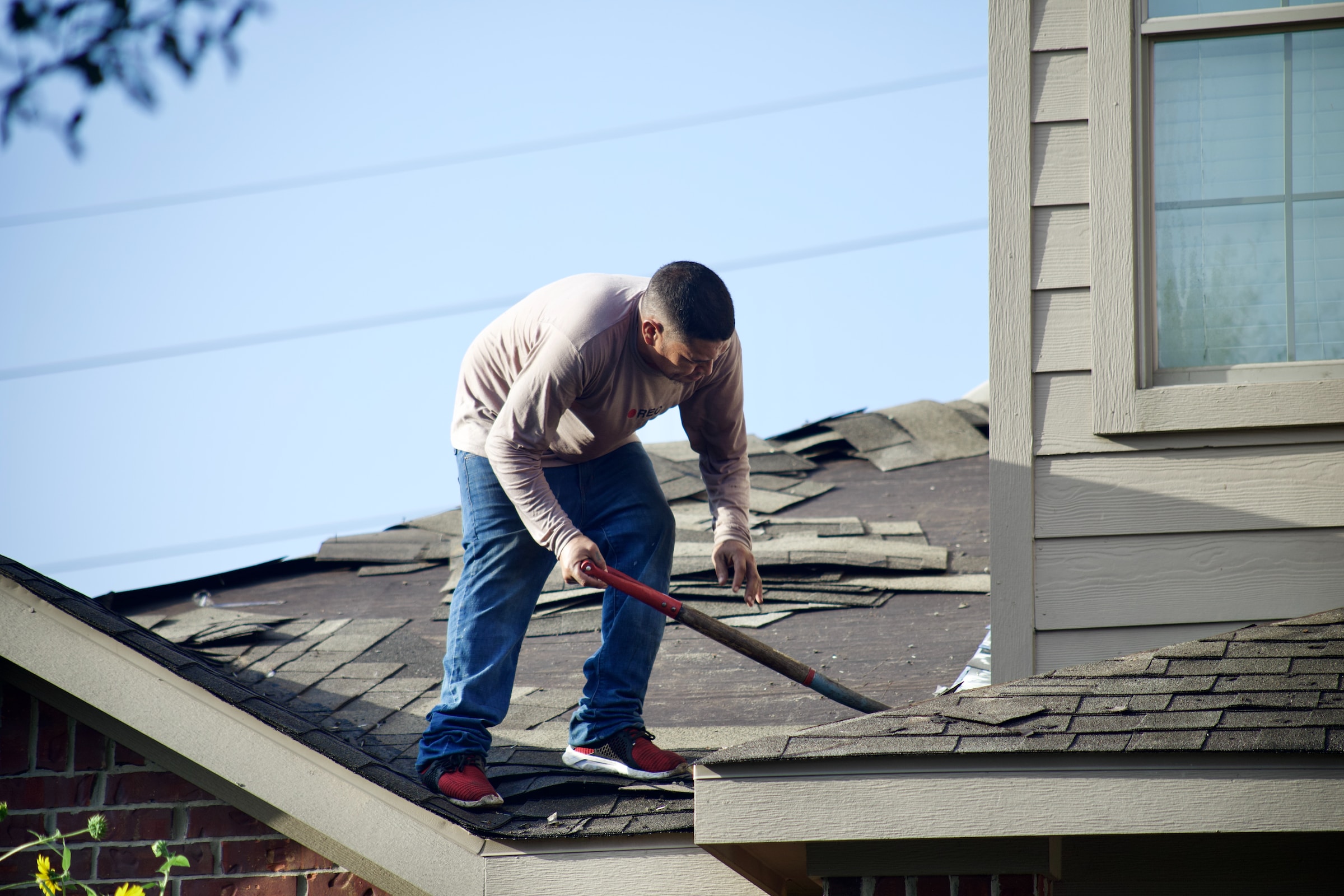


So why settle for anything less than exceptional? Choose professional home builders who understand your vision and can make it a reality – ensuring a beautiful living space that reflects your unique personality while providing comfort for years to come. We hope that you have found this blog post helpful.…


Roof Repair vs. Replacement: Making Informed Decisions for Your Home

0 Comments
roof

When faced with roof issues, homeowners often grapple with the decision between repairing the existing roof or opting for a complete replacement. Understanding the factors influencing this choice is key to making an informed decision that suits your home’s needs and budget. For example, the age of your roof, the extent of damage, and the materials used in its construction are all factors to consider. You can refer to https://www.cookroofingbranson.com for professional advice on the matter.

roofers

Factors to Consider When Choosing Between Repair and Replacement

When weighing the options between repair and replacement, here are some factors to keep in mind:

  • Cost: In most cases, repairs will be less expensive than a complete replacement. However, if your roof is old and constantly requiring repairs, it may end up costing more in the long run.
  • Age of Roof: A roof’s lifespan varies depending on the materials used, but generally, a roof over 20 years old will likely need to be replaced rather than repaired.
  • Type of Damage: If the damage is limited to a small area, then repair may be a viable option. However, if the damage is widespread, it may indicate underlying structural issues and require a full replacement.
  • Energy Efficiency: A new roof can significantly improve energy efficiency by reducing air leaks and insulating your home better. This could result in cost savings on your energy bills over time.

Making an Informed Decision

Ultimately, the decision between repair and replacement will depend on your specific situation. It’s best to consult with a professional roofing company for an expert assessment and recommendation. In addition, it’s important to consider the long-term benefits of a full roof replacement. Not only can it increase the value of your home, but it also provides peace of mind knowing that your roof is in top condition.

roof

Assessing Roof Condition

Before making any decisions, it’s important to assess the condition of your roof. A thorough inspection can help determine whether a repair or replacement is needed. Some signs that may indicate a need for replacement include significant water damage, large areas of missing shingles, and visible sagging or drooping in the roof structure. If your roof is relatively new and only has minor issues, such as a few missing shingles or small leaks, then a repair may be sufficient. However, if your roof is older and has sustained significant damage, it may be more cost-effective in the long run to replace it entirely.

In Conclusion

Determining whether to repair or replace your roof is a significant decision that impacts your home’s safety, functionality, and value. By assessing the extent of damage and considering costs, lifespan, and long-term benefits, homeowners can confidently choose the most suitable option for their homes. Remember, whether it’s a repair or replacement, prioritizing the health and integrity of your roof ensures a secure and comfortable living environment for years to come.…


Creating a Winter Wonderland: Top Christmas Lighting Ideas to Steal This Year

0 Comments
colors

What a life! In just a couple of months, we’ll be enjoying that most wonderful time of the year, where twinkling lights and festive decorations transform our surroundings into a magical winter wonderland. What better way to celebrate than by embracing the enchanting beauty of holiday lighting from Permanent Holiday Lighting Phoenix?

Whether you’re looking to create a cozy ambiance or make a bold statement, we’ve got you covered with some top Christmas lighting ideas that are sure to steal the show this year.

Twinkling Tree Canopy

tree

As night falls, watch as the twinkling lights transform your outdoor space into a fairytale scene straight out of a storybook. The gentle flicker of each bulb creates an inviting atmosphere perfect for cozy gatherings or quiet moments spent stargazing beneath its luminous embrace.

To achieve this magical effect, start by choosing string lights in warm white or soft colors. Opt for strands with multiple settings, such as steady on or twinkle mode, to create a dynamic display. Begin at the topmost branches of your tree and gently drape the lights downward in a cascading fashion.

Icicle-Inspired Elegance

As the winter season rolls in, there’s something undeniably magical about the delicate beauty of icicles hanging from rooftops and trees. Recreate this enchanting scene in your own outdoor space with icicle-inspired Christmas lighting ideas.

Start by adorning your eaves and gutters with shimmering LED icicle lights. These graceful strands of light mimic the look of real icicles, casting a soft glow that is both elegant and mesmerizing. Hang them at varying lengths to add depth and dimension to your display. For an extra touch of sophistication, incorporate icy blue or cool white lights along with the traditional clear ones. This color palette will evoke a tranquil winter wonderland ambiance that is sure to captivate anyone who lays eyes on it.

Animated Light Displays

lights

Imagine walking through your yard and being greeted by twinkling reindeer soaring across the sky or jolly snowmen dancing merrily on your lawn. Animated light displays have the power to transform any outdoor space into a whimsical holiday scene that will leave everyone in awe.

The key is choosing the right combination of lights and motion. Whether you opt for classic characters like Santa Claus and his sleigh or prefer more modern designs, such as spinning snowflakes or playful elves, there are countless options available. From simple animatronics that move back and forth to elaborate setups synchronized with music, the possibilities are endless.

Light-Wrapped Garden Features

Magically turn your garden into a magical wonderland with the enchanting beauty of light-wrapped features. Whether you have trees, shrubs, or fences, adding twinkling lights can create an ethereal ambiance that will captivate all who step foot in your outdoor space. Start by wrapping strands of fairy lights around the trunks and branches of your trees. As darkness falls, the soft glow will cast a mesmerizing spell over your garden. For an extra touch of elegance, choose warm white lights to create a cozy and inviting atmosphere. Don’t limit yourself to just trees – let your creativity shine by wrapping lights around other garden features as well.

So what do you think? Are you ready to give these ideas a try? Let your imagination run wild as you brighten up this holiday season with stunning lights that capture the spirit of Christmas. Whether you opt for a sparkling tree canopy or elegant icicle-inspired lights, these ideas are sure to make your home shine brightly during the most wonderful time of the year.…


Exploring the Different Types of Solar Heating Systems: A Comprehensive Guide

0 Comments
lost-places

Solar heating systems have emerged as a sustainable and cost-effective solution for meeting the heating needs of residential and commercial buildings. These systems harness the sun’s power to generate heat, reducing reliance on fossil fuels and lowering energy costs. This comprehensive guide will explore different types of solar heating systems, highlighting their features, benefits, and applications. If you are considering building a new home, you can read more at architektur-welt.de and choose ideal heating solutions that meet your needs sustainably.

Solar Water Heating Systems

Solar water heating systems are designed to heat water for various purposes, including domestic hot water, space heating, and swimming pools. These systems typically consist of solar collectors, a storage tank, and a circulating pump. The solar collectors capture thermal energy from the sun and transfer it to a fluid, usually water or a glycol mixture, which circulates through the system.

Solar Air Heating Systems

Solar air heating systems utilize solar collectors to heat air, which is circulated through a building to provide space heating. These systems include a solar collector, an air handling unit, and a distribution system. The solar collector absorbs solar radiation and transfers the heat to the air, then distributed it throughout the building using ductwork or fans. Solar air heating systems can be used in residential and commercial buildings and are particularly effective in providing space heating in cold climates.

Solar Air Heating Systems

Solar Thermal Power Plants

Solar thermal power plants, or concentrating solar power (CSP) plants, are large-scale installations that generate electricity by focusing sunlight on heating a working fluid, typically water or molten salt. The heated fluid is then used to produce steam, which drives a turbine connected to a generator. CSP plants are often equipped with thermal energy storage systems, allowing them to generate electricity even when the sun is not shining. These systems offer a renewable and reliable source of electricity, making them suitable for grid-connected power generation.

Passive Solar Heating Systems

Passive solar heating systems utilize building design principles to capture and store solar heat without mechanical or active components. Features such as south-facing windows, thermal mass materials, and proper insulation are incorporated into the building’s design to maximize solar gain and minimize heat loss. Passive solar heating systems can be used in new and retrofit projects and are well-suited for residential buildings.

Solar heating systems provide a sustainable and cost-effective solution for meeting the heating needs of buildings. Various options are available to suit different applications and requirements from solar water heating systems to solar air heating systems, solar thermal power plants, and passive solar heating systems.…


The Hidden Dangers of DIY Tree Removal: Why You Need Professionals

0 Comments
tree

DIY tree removal can be dangerous — both for the trees and for you. Tree care is a highly skilled profession that requires specialized equipment, experience, and expertise to safely remove any species of tree. Removing a tree without professional guidance can be extremely hazardous, even if it’s just an average-sized specimen growing in your backyard. Falling branches or tree parts can not only cause property damage but also pose a significant risk of physical harm to you and any bystanders. Fortunately, property owners can always depend on professionals from 72 Tree Alpharetta as they offer quality services.

The Hidden Hazards of DIY Tree Removal

hazards

Doing your own tree removal can also put your property at risk. Improper cutting techniques or the use of inadequate equipment can cause weakened limbs, making them more likely to break off and fall unexpectedly. Trees that are not correctly trimmed may become unbalanced and topple over in high winds or storms. Here are some of the dangers you may encounter when tackling a DIY tree removal project:

Personal Safety

Tree removal is fraught with potential hazards. From falling branches to dangerous tools, there are many ways you could get hurt. Professionals have the training and safety equipment to mitigate these risks.

Property Damage

It’s not just personal safety at risk. One wrong move and that tree could crash into your home, your car, or your neighbor’s property. Professional tree removers know how to fall a tree so it lands safely.

Improper Tools

Professionals have access to industrial-grade equipment designed specifically for tree removal. Your average chainsaw may not be up to the task, especially for larger trees.

Incomplete Job

Removing the visible part of the tree is only half the battle. A professional service will also remove the stump and roots, preventing regrowth and potential damage to your property.

Why Opt For Professional Tree Removal Services?

stump

Tree removal is a serious task that requires an experienced professional. Hiring a certified arborist for your project will guarantee it’s done safely and efficiently. Professional tree removal services also have the right equipment to do the job, ensuring your safety and safeguarding your property from potential damage.

Expertise and Experience

Professional tree removal services have the knowledge and experience to handle any tree removal task, no matter how big or complex. They understand the nuances of different tree species and the best techniques for removing them.

Safety Measures

Professional services prioritize safety. They use the appropriate protective gear and follow strict safety guidelines to ensure everyone’s well-being during the process.

Proper Equipment

Professionals come equipped with the right tools for the job. This not only makes the work more efficient but also ensures that the tree is removed properly and safely. Moreover, they have the right tools for stump removal and cleanup.

Cleanup

A major advantage of hiring professionals is that they don’t just remove the tree – they also take care of the cleanup. This means no leftover debris in your yard or garden. You don’t want to be left with an unsightly mess, and professional services take the hassle out of dealing with it.

DIY projects can be rewarding, but when it comes to tree removal, it’s best to leave it to the professionals. The risks involved in attempting to remove a tree yourself far outweigh the cost of hiring a professional service. So, next time you have a problematic tree, remember that your safety and peace of mind are worth more than the thrill of doing it yourself.…


Staging Mistakes That Will Keep Buyers Away From Your Home

0 Comments
home

Selling your home isn’t something that happens overnight – it takes time, effort, and often money to make your home look its best before putting it on the market. If you need more tips for selling homes fast, visit luke1428.com. However, what many homeowners don’t realize is that they often make mistakes when staging their homes, leading to a negative effect on buyers’ impressions of their property. From crowded spaces to personal items everywhere, here are some of the most common staging mistakes that could keep buyers away from your home.

Having Too Much Furniture in a Room

furnitureWhen staging a room, it’s important to create a look that feels open and inviting. Having too much furniture in the room can give off an overwhelming feeling, making buyers think that the space is smaller than it really is. Try to use only pieces of furniture necessary for the particular room, and arrange them so that they don’t make the space feel cluttered. In addition,

Neglecting the Importance of Fresh Air and Light

Another mistake many homeowners make is neglecting the importance of fresh air and light. Buyers want to walk into a home and feel like they can breathe, so open the windows and let in some natural sunlight whenever possible. Additionally, declutter any space that feels too dark or stuffy – this will help buyers envision living in the space more efficiently.

Going for a Wacky Wall Color

home colorsWe all know that the home’s paint color can make a massive difference in the overall feel of the space, but some homeowners go overboard by choosing a too bold or wacky color. Unless you know that the buyers are looking for something unique, try to stick to neutrals and earth tones when it comes to painting your walls – this will help create a more inviting atmosphere that appeals to more buyers.


Leaving Rooms Vacant

Finally, one of the most common mistakes is leaving rooms completely vacant. While finding the right pieces of furniture to make a room look full can be difficult, buyers will appreciate seeing how you’ve used the space. Adding furniture in each room helps buyers visualize the potential use for the space or even see themselves living in it – something that could be the deciding factor when it comes to selling your home.

Staging your home is one of the most important steps in the selling process, whether to a cash or mortgage buyer, so make sure you avoid these common mistakes. Taking the time to properly stage each room will help create a warm and inviting atmosphere that buyers won’t be able to resist. With a little bit of effort and planning, you’ll be able to sell your home in no time.…


Handy Tips to Prevent Any Home Damage by Your Trees

0 Comments
man

Do you have trees on your property? If so, it is vital to take steps to protect your home from potential damage. Trees can cause all sorts of problems for homeowners, including roof damage, broken windows, and even structural damage. That’s why you need to prevent them from happening. For instance, you can remove your tree to a better spot by hiring a tree removal Aurora IL. Aside from that, here we will discuss some handy tips that will help you prevent any damage from occurring. Keep reading to learn more.

Match the Tree Species With the Site Condition

branchThe first thing you can do to prevent damage to your home is to choose the right tree for the correct location. Not all trees are well-suited for every type of soil and climate condition. For example, if you live in an area with high winds, it’s essential to choose a tree that is known to be wind-resistant. The same goes for areas with heavy rainfall or drought conditions.

Be sure to do your research to find a tree that will thrive in your particular location.

Plant Any Tree Within 20 Feet Away From Your House

Another important tip is to plant any tree at least 20 feet away from your house. It will help ensure that the roots do not damage your foundation or landscaping. It will also give you more space to trim and prune the tree. Root damage is one of the most common problems homeowners face, so it’s essential to take this precaution. By planting your tree further away from your home, you can avoid many potential problems to your home and an urge to cut the roots, which can be harmful to your trees.

Install Root Barricades Before Planting

Before planting a new tree, it’s also a good idea to install root barriers. It will help keep the roots from spreading and damaging your foundation or sidewalks. Root barriers are relatively inexpensive and easy to install, so there’s no reason not to take this precaution. You can find them at most home improvement stores or online.


Remove the Tree If Necessary

manNot only should you take steps to prevent damage from occurring, but you should also be prepared to remove the tree if it does become a problem. Sometimes, no matter how well you care for your tree, it can still cause problems. If that happens, don’t hesitate to call a professional arborist to have it removed. It’s better to be safe than sorry when protecting your home.


We hope you found these tips helpful. Remember, taking steps to prevent damage from occurring is always better than dealing with the repairs later on. If you have any questions or need help caring for your trees, contact a professional tree service. They will be able to give you the guidance and assistance you need to keep your trees healthy and your home safe.…


Most Renowned Types of Windows for Residential Buildings in 2022

0 Comments
attic

Windows are an essential part of any residential building. Not only do they let in natural light and fresh air, but they also provide a way for residents to look out onto the world around them. There are many different types of windows on the market today, each with its own unique set of features and benefits. Windows in Toronto, Mississauga and Barrie vary, but most homeowners love awning windows. Now, without further ado, let’s look at some of the most renowned types of windows available for residential buildings.

Bay Window

bay windowsFor starters, let’s talk about bay windows. A bay window is a type of window that protrudes from the exterior of a building. Bay windows are typically composed of three separate windows placed at an angle to each other, creating a bay-like structure. Bay windows are a popular choice for residential buildings because they provide natural light and ventilation. Additionally, bay windows can create the illusion of a larger room by extending the interior space outward.

One downside of bay windows is that they can be somewhat challenging to clean due to their unique shape. Additionally, because bay windows protrude from the exterior of a building, they can be susceptible to damage from high winds or other severe weather conditions. Ensuring that your bay windows are adequately protected with high-quality treatments is essential.

Awning Windows

Next up, we have awning windows. Awning windows are similar to casement windows in that they are hinged on one side and open outward. However, unlike casement windows, which spread via a crank mechanism, open awning windows using a hand-operated lever. Awning windows are a popular choice for residential buildings because they provide excellent ventilation and can be easily operated with one hand. Additionally, awning windows can be positioned so that they allow natural light to enter the room while still providing privacy.

One downside of awning windows is that they may not be the best choice for rooms that receive a lot of direct sunlight. This is because the hand-operated lever can become quite hot when exposed to direct sunlight. Additionally, awning windows can be more challenging to clean than other windows because of their unique shape.

Double-Hung Window

simple windowsLast but not least, we have double-hung windows. Double-hung windows are a type of window that consists of two individual sashes, each of which can be opened and closed independently. Double-hung windows are a popular choice for residential buildings because they provide excellent ventilation and can be easily cleaned from the home’s inside. Moreover, double-hung windows come in various styles, making it easy to find a look that compliments the overall aesthetic of your home.


Unfortunately, this type of window is quite heavy, making them difficult to open and close. Aside from that, because double-hung windows have two sashes, they can also be more expensive than other types of windows. That’s why it’s essential to consider your needs before deciding.

No matter what type of window you choose, it’s essential to ensure that it is properly installed and maintained. Windows play a vital role in your home’s overall comfort and safety, so it’s necessary to take the time to ensure that they are up to par. If you have any questions about the different types of windows available for residential buildings, or if you need help choosing the right window for your home, don’t hesitate to contact a qualified professional.…


The Benefits of Working With a Mortgage Advisor

0 Comments
broker


When you are looking for a new home, the process can seem daunting. There are so many things to think about, from finding the right neighborhood to securing a mortgage. It’s easy to become overwhelmed. But don’t worry, you don’t have to go through this process alone. You can hire a mortgage advisor.

The Financial responsibilities of mortgage advisor can never be underestimated. One thing is for sure; it will benefit you a lot. An excellent advisor can help make the process easier and ensure that you get the best deal possible on your mortgage.

Below are some of the benefits of working with a mortgage advisor:

Help You Get a Lower Interest Rate on Your Mortgage

clientsAn experienced mortgage advisor can help you get the best interest rate on your mortgage. They have access to a variety of lenders and can compare interest rates to find the best deal for you.

They can also help you navigate the mortgage application process. They will work with you to ensure all the paperwork is in order and that you are meeting the lender’s requirements.

Additionally, they can help you if you are struggling to make your mortgage payments. They may be able to work with your lender to find a solution that works for both of you. Working with a mortgage advisor can be a great way to get the best deal on your mortgage and avoid any potential problems.

Help You Understand the Different Types of Mortgages

There are various mortgages available, and it can be difficult to know which one is right for you. A mortgage advisor can help you understand all the different options and find the mortgage that is best for your needs.

Assist You in the Mortgage Approval Process

The mortgage approval process can be difficult and time-consuming. A mortgage advisor can help you prepare for it by gathering all the necessary documents and making sure you meet all the lender’s requirements. This will make the process easier and quicker.

Help You Find the Best Deal on Homeowners Insurance

signatureHomeowners insurance is a necessary part of owning a home. An advisor can help you find the best deal on homeowners insurance by comparing quotes from different insurers. This will save you money on your premiums.


Mortgage advisors are constantly up-to-date on the latest interest rates and loan products. This means they can find the best deal for you no matter what type of mortgage you are looking for.

These are just some of the many benefits of working with a mortgage advisor. Contact a local advisor today to learn more.


Reasons to Remodel Your Bedroom

0 Comments
bedroom

Do you feel like your bedroom could use a little of a makeover? If so, you’re not alone. Many people think that way about their bedrooms. After all, this is the room where we spend one-third of our lives. This article https://news7f.com/why-is-a-good-nights-sleep-important-for-a-great-mind-and-body-condition/ discusses some of the health benefits one should expect from a good night’s sleep. Apart from health gains, there are many reasons to renovate your bedroom and make it as comfortable as you want. If you’re on the fence about whether to remodel, below are some reasons for remodeling your bedroom.

Health and Well-Being

bedroom repairOne of the main reasons to renovate your bedroom is your health and wellbeing. Believe it or not, the environment you sleep in can significantly affect how you feel. If your bedroom is outdated or cluttered, it might be time for a renovation. A new look and fresh start can do wonders for your mental and physical health.

Simple tasks like decluttering your nightstand or adding some new bedding can make a world of difference. If you’re looking to improve your health and wellbeing, renovating your bedroom is a great place to start.

Improved Sleep

Another reason to renovate your bedroom is to improve sleep. If you’re not getting the quality of sleep you need, it can affect every aspect of your life. An awful night’s sleep can make you tired and irritable, and it can even lead to weight gain. If this sounds like something that might be happening to you, consider renovating your bedroom.

Creating a sleep sanctuary is one of the best things you can do for yourself. Investing in a comfortable bed, some high-quality sheets, and some blackout curtains can make all the difference.

Increased Productivity

a healthy bedroomIf you’re looking for a way to increase your productivity, renovating your bedroom might be the answer. A cluttered and outdated bedroom can distract and make it difficult to focus. By remodeling your bedroom, you can create a space that’s both calming and inspiring.
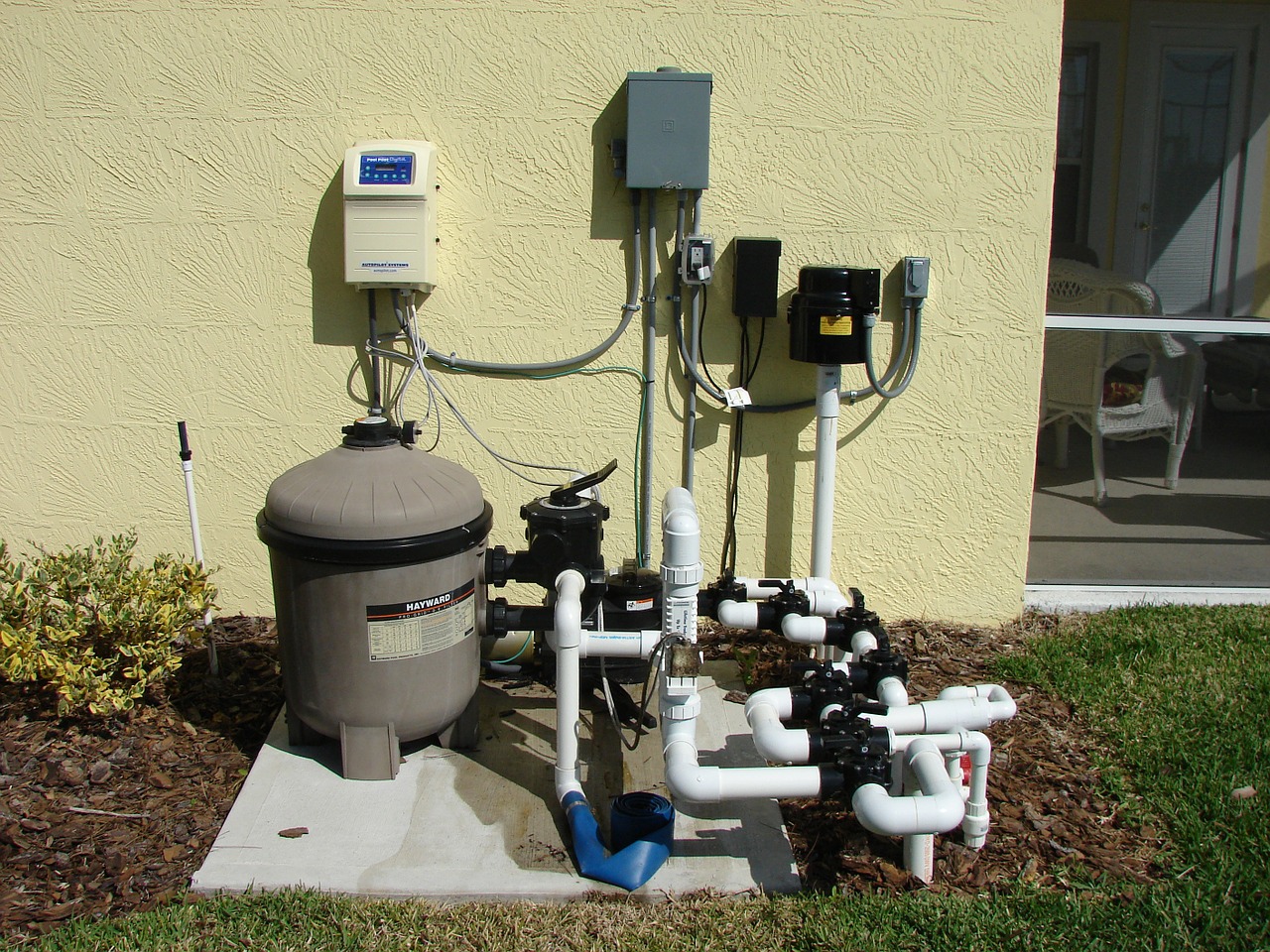

It will help you concentrate better and get more done. If you’re looking for a way to improve your productivity, renovating your bedroom is a great place to start.

Improved Mood

If you’re looking to improve your mood, renovating your bedroom is a great place to start. As we mentioned before, the environment you sleep in can significantly affect how you feel. Remodeling your room can create a more positive atmosphere, which can help you feel better overall. If your bedroom needs a renovation, do it. You’ll be glad you did.

Renovating your bedroom is a great way to improve your quality of life. If you’re on the fence about whether to remodel, we hope this blog post has helped you decide. It is a decision you will not regret making.…


Mistakes to Avoid When Buying Home Water Filters

0 Comments
system

When it comes to your family’s health, you want to make sure that you are doing everything in your power to protect them. One significant way to do this is by installing a water filter at home. However, you can check the South African for insights since many people have no idea what they should be looking for when buying one. This blog post will help give you tips to avoid common mistakes when purchasing a new water filter for your home.

Not Considering All of Your Needs

blueA common mistake people make when buying a water filter is not considering all of their needs. Think about how much you drink per day and make sure that the amount they advertise matches what you will need to be clean drinking water. Like any other purchase, there is a water filter for every budget. You don’t need to break the bank to get a quality and effective water filter. Please do your research, compare prices, and find one that fits your needs and wallet.
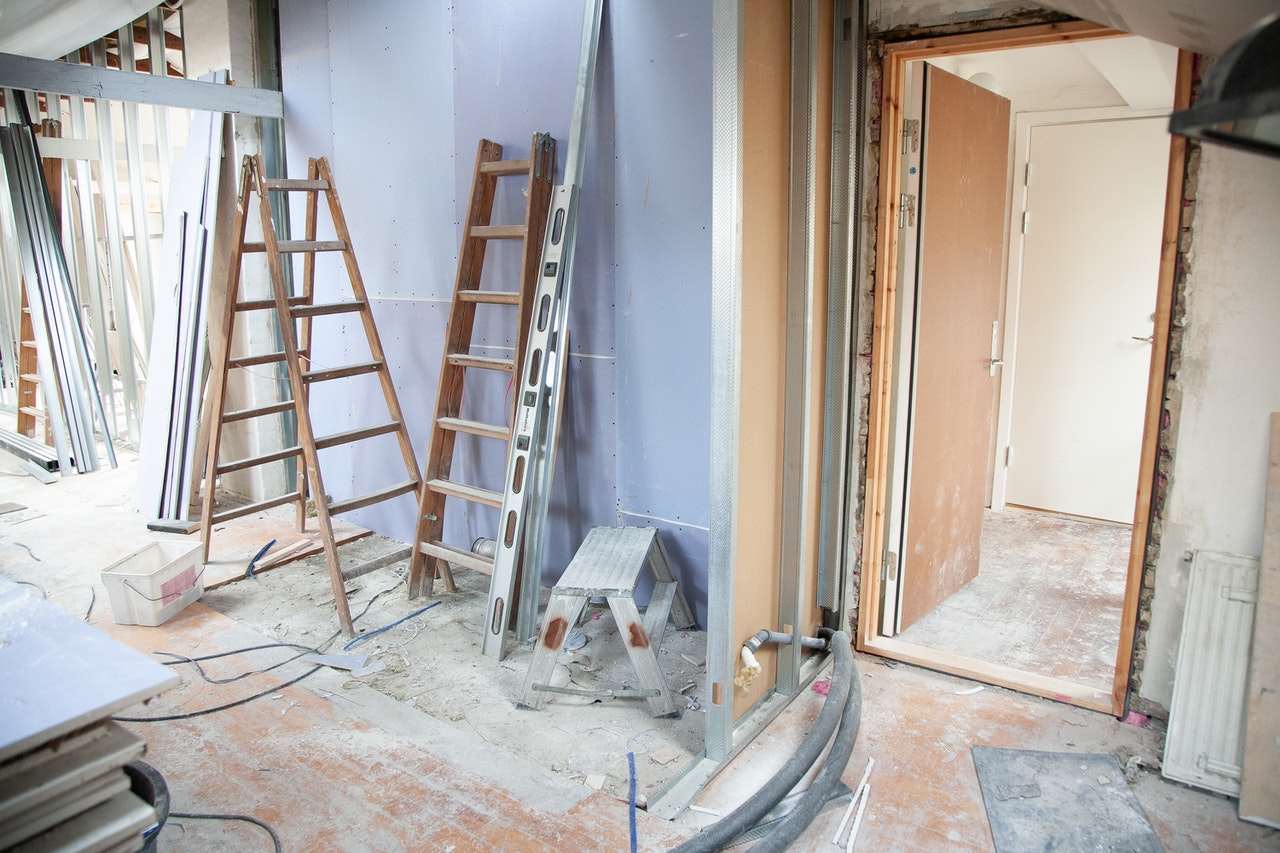

You also want to make sure you get a filter that will fit comfortably inside your sink or under your sink, whichever you are using it for.

Overlooking Certifications and Warranties

You want to make sure the water filter you are buying has a certifying body that stands behind it. This will ensure quality and safety for your family and give you some peace of mind when using their product. If a company does not have this certification on hand, I would be wary about purchasing from them. Also, make sure you are reading the fine print with any warranties. There is no point in buying an expensive water filter if it only comes with a short warranty.


Not Checking For Leaks

Another common mistake people make when installing their new water filter is not double-checking for possible leaks. You want to be extra careful about leaks, so take the time to check your new water filter and look for any potential leaks or cracks in it. Additionally, people mistakenly install a new water filter without reading the guide correctly. They might think they know how long their filters will last without changing them, but they don’t. You want to make sure you read instructions carefully and follow them precisely the way your manufacturer tells you to avoid any issues with your water filter.…


Mistakes to Avoid When Upgrading Your Home

0 Comments
fix

When you’re planning to upgrade your home, there are a lot of mistakes that can be made. You can check out the mentalitch for insights so that the process goes as smoothly as possible and turns out exactly how you envisioned it. This post will go over mistakes to avoid when upgrading your home.

Not Considering Long-Term Needs

renoWhen upgrading your home, it’s essential to consider your current needs and your future ones. For example, if you’re planning on having kids in the next few years, you’ll want to make sure that the new layout of your home can comfortably accommodate them. Otherwise, you may end up needing to do another renovation a few years down the road. Some people renovate their home before they even move in. This can be a big mistake, especially if you’re not familiar with the house’s layout yet.

You may end up making unnecessary changes or that you’ll have to undo later on. It’s always best to live in the house for a few months before making any renovations.

Choosing the Lowest Bid

When choosing a contractor to upgrade your home, it’s important not to go with the lowest bid. This could signify that the contractor is inexperienced or doesn’t have a good quality craft. Instead, take the time to research different contractors and ask for referrals from friends and family.

When you’re renovating your home, always make sure to get the proper permits. If something goes wrong and you didn’t have a license for it, or if there’s an accident of some sort on your property, this could put you in legal trouble. So be safe and do things by the book.

Not Making Backup Plans

When remodeling your home, it’s crucial to make backup plans if things don’t go according to plan. This way, if something costs more than expected or takes longer than anticipated, you’ll be prepared for it and won’t have any significant problems when the unexpected happens. For example, if a contractor tells you that the job will take two weeks but ends up taking four, you’ll have a plan in place to deal with the delay.


Having Unrealistic Expectations

manIt’s essential to have realistic expectations when upgrading your home. This means that you shouldn’t expect everything to be perfect, and you should be prepared for some bumps in the road. There will always be things you didn’t think of or don’t go according to plan. So try to stay calm and roll with the punches. In addition, it’s a good idea to hire one designer who will charge the entire project.…



Top Reasons Why You Should Hire a Real Estate Agent for Your Home Sale

0 Comments
female agent

If you are looking to sell your home, it is vital to know the top six reasons why people should hire a real estate agent. A professional can be an invaluable resource for both buyers and sellers of homes. If you want help with selling or buying your next house, then this article will provide some helpful information that may just convince you to call up your local Realtor to sell your home now!

They Have Access to MLS

The first reason why people should hire a real estate agent is that they have access to the MLS (Multiple Listing Service). This gives them many more opportunities than if they were working on their own.

They Have Extensive Knowledge of the Housing Market

designA third reason to hire an agent is that they have extensive knowledge about the housing market, which can be extremely helpful when trying to make decisions about your home sale. Most homeowner’s don’t know what their home is worth, and you could end up selling it for more or less than its market value.

The fourth reason why people should hire a real estate agent to sell their house is that they have experience with deal closings. They can help make sure everything goes smoothly so that you don’t have any unexpected surprises.

They Can Negotiate the Appropriate Price for You

The second reason is that agents negotiate deals on behalf of their clients and usually get what they ask for in return. This means you will get the best value for your home.

They Will Handle All Aspects of the Transaction for You

The fifth reason is that they handle all aspects of the transaction for you, including everything from taking photos to scheduling showings and negotiating offers – leaving no room for error or mismanaged expectations. Hiring a real estate agent will ensure your home sale goes as smoothly as possible.

They Can Help You With Paperwork and Other Details Related to Selling Your Home

realtorBefore you can get your house, you will be faced with a ton of paperwork and other details related to your home’s sale, which is not something exciting to do because it is time-consuming and confusing. But an agent can help you with all of this so that it is one less thing you have to worry about.

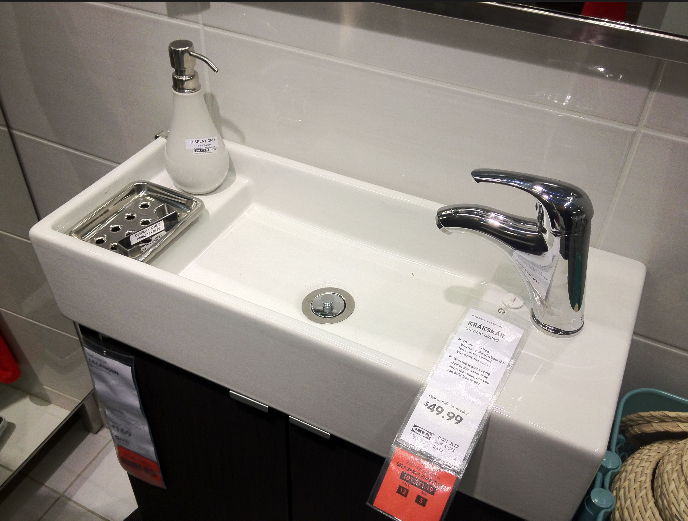
In conclusion, there are many reasons why people should hire a real estate agent when selling their home. The five reasons listed above are just some of the most important ones. If you want your house to be sold fast, you need to call a realtor today!…