Covered vs. Open Patios: Which Is Right for Your Home?
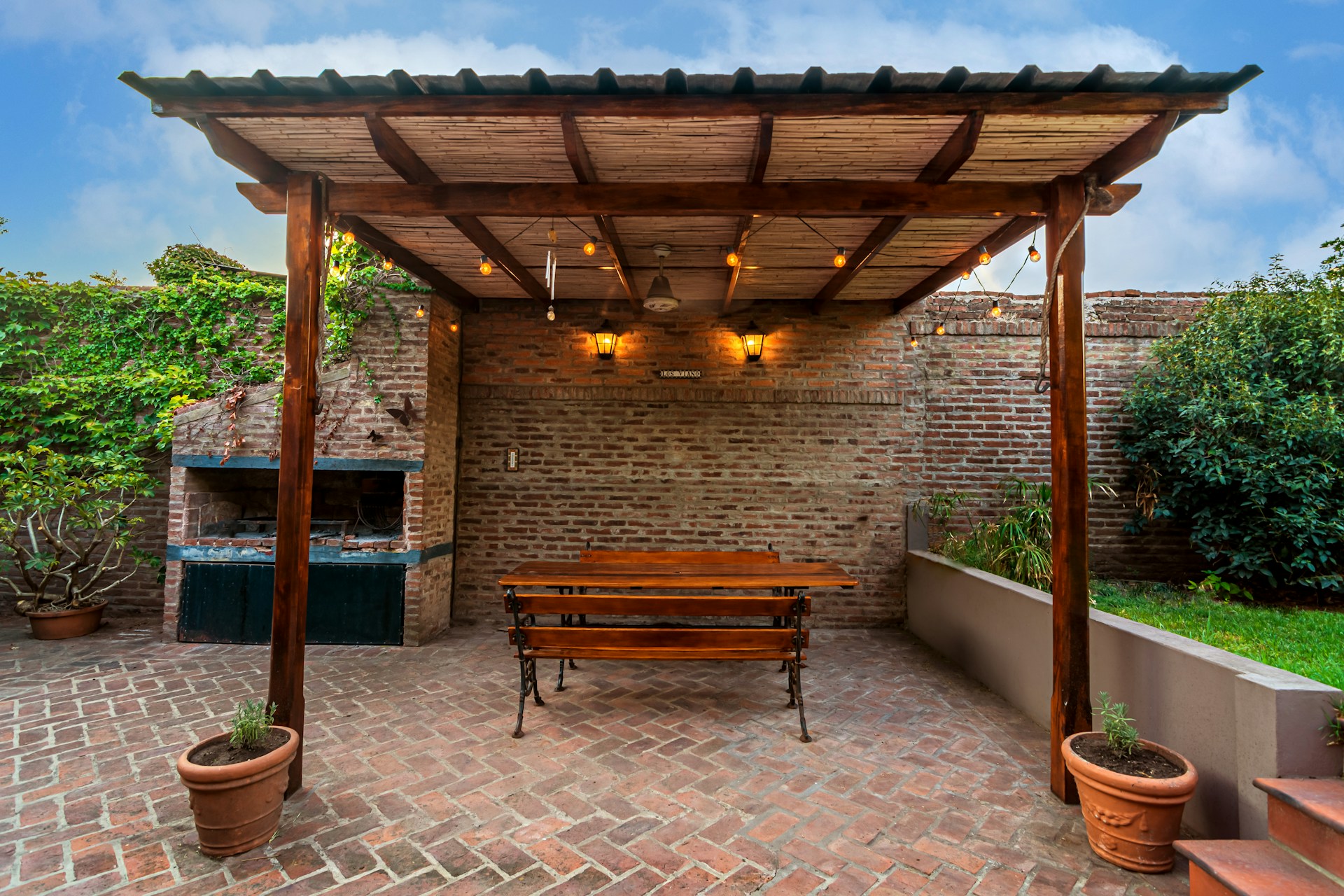
A patio extends your living space beyond four walls. It creates a place to gather, relax, and enjoy fresh air. Yet one decision shapes how that space functions every day. Should you build a covered patio or leave it open to the sky? Some homeowners also explore patio enclosures recommendations and costs, especially if they want added protection from insects, wind, or heavy rain without fully enclosing the structure. The answer depends on climate, budget, and lifestyle. Both options offer benefits. Both also come with trade-offs. Understanding these differences helps you choose a patio that fits your home and daily routine.
Weather Protection and Comfort
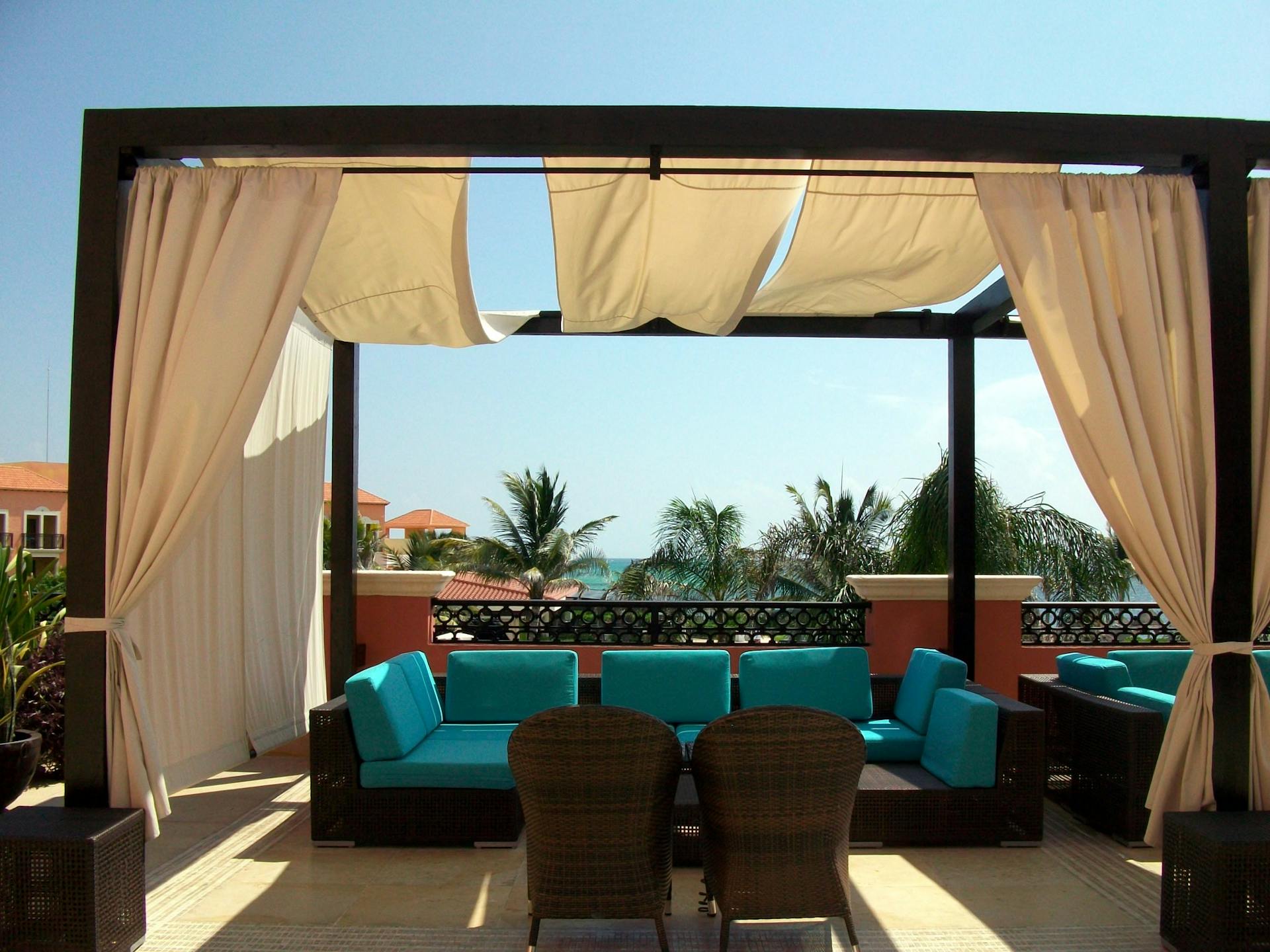
The weather is often the deciding factor. A covered patio shields you from direct sunlight and sudden rain. It provides shade during hot afternoons. In regions with intense summers, this protection can make outdoor living practical rather than seasonal. Open patios, on the other hand, expose you to natural light. Many homeowners enjoy sitting under the sun or watching the stars at night. However, comfort becomes unpredictable. Strong sun can overheat the surface. Rain limits use. If you entertain frequently, a roof structure may help ensure gatherings continue regardless of changing conditions. Ceiling fans, lighting, and heaters can also be added to improve year-round comfort. An open patio offers simplicity but depends heavily on favorable weather.
Cost and Construction Considerations
Budget matters. Open patios are typically less expensive to build. They require a solid foundation and surface material such as concrete, pavers, or stone. Without posts, roofing, or electrical components, construction remains straightforward. Covered patios involve additional framing and roofing materials. Permits may be required depending on local regulations. The cost increases with design complexity. Integrating the structure with the existing roofline often requires professional planning. Maintenance should also be considered. Roofing materials may need periodic inspection. Gutters and drainage systems must function properly. An open patio eliminates those concerns but may require more frequent surface cleaning due to exposure.
Aesthetic and Design Impact
Design plays a major role in the decision. A covered patio can feel like an outdoor room. It blends indoor and outdoor spaces when finished with coordinated flooring and furniture. This approach creates a polished and cohesive look. Open patios provide a lighter visual presence. They maintain clear sightlines across the yard. For homes with scenic views, leaving the space uncovered preserves that connection to the landscape. Architectural style also influences the choice. Modern homes often integrate flat or sloped patio covers seamlessly. Traditional properties may favor pergolas or partial covers. Each option offers a unique visual character, but the design should complement the structure rather than overpower it.
Functionality and Lifestyle Needs
Think about how you plan to use the space. Families who dine outside regularly benefit from protection against unexpected rain. Outdoor kitchens function better under shelter. Electronics such as televisions require coverage to avoid damage. If your patio is mainly for sunbathing or casual lounging, an open design may suffice. Garden enthusiasts sometimes prefer open patios because they allow full sunlight for surrounding plants. Pets and children also influence the choice. Shade creates safer play areas during the summer months. At the same time, open areas encourage outdoor games that need unobstructed space. Daily habits matter more than trends. A patio should serve your routine, not simply follow design fashion.
Long-Term Value and Property Appeal
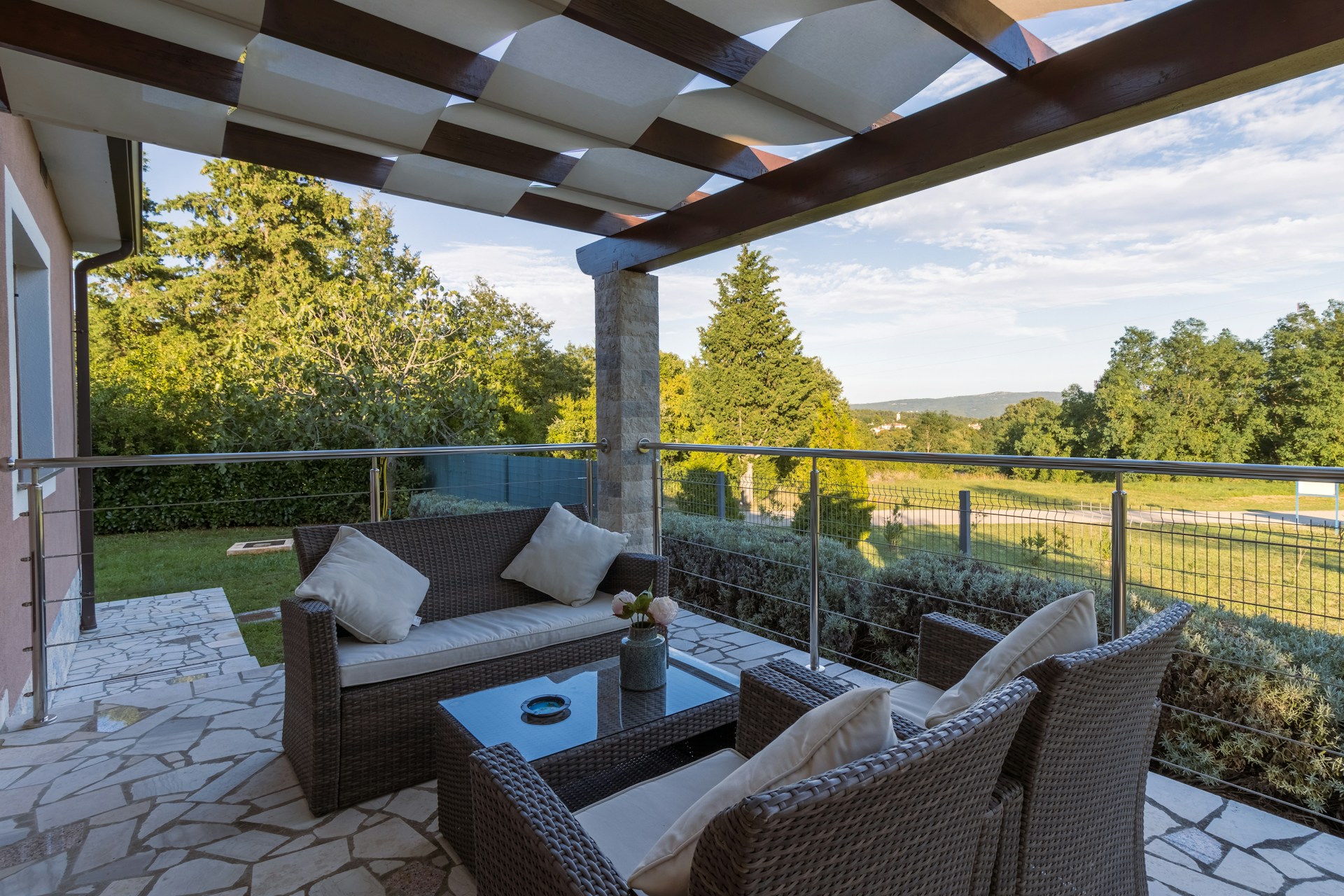
Patios often increase property value. Buyers appreciate functional outdoor living areas. A covered patio may appeal to those seeking extended living space. It can feel like an additional room, especially when equipped with lighting and fans. Open patios attract buyers who prefer flexible landscaping. They allow easier modifications in the future. Some homeowners see fewer structural elements as a benefit because it keeps the yard adaptable. Insurance and maintenance costs may differ slightly. Covered structures require proper installation to ensure durability and compliance with building codes. When built correctly, they provide long-term stability. Open patios avoid roofing upkeep but may show wear faster due to exposure.
Climate and Regional Influences
Location plays a critical role. In areas with heavy rainfall, a covered patio expands usable days each year. In milder climates, open patios may offer enough comfort without additional construction. Wind exposure is another factor. Strong winds can affect roofing structures if not designed carefully. Open patios avoid this issue but provide no shelter from blowing debris. Sun intensity should not be underestimated. Extended UV exposure fades furniture and damages finishes. Shade structures protect materials and reduce long-term replacement costs. Evaluating local weather patterns helps ensure the patio design aligns with environmental realities.
Choosing between a covered and open patio requires balance. Covered patios provide reliable comfort and protection. They support outdoor kitchens, lighting, and entertainment systems. Open patios offer simplicity and a direct connection to nature. The right option depends on your climate, budget, and how you plan to use the space. Consider daily habits. Evaluate long-term maintenance. Think about resale potential. When these factors align, the patio becomes a natural extension of your home rather than an afterthought. Both designs can enhance outdoor living. The key is selecting the one that supports your lifestyle with practicality and lasting value.