Sustainable Design Features Every Eco-Friendly Home Should Have
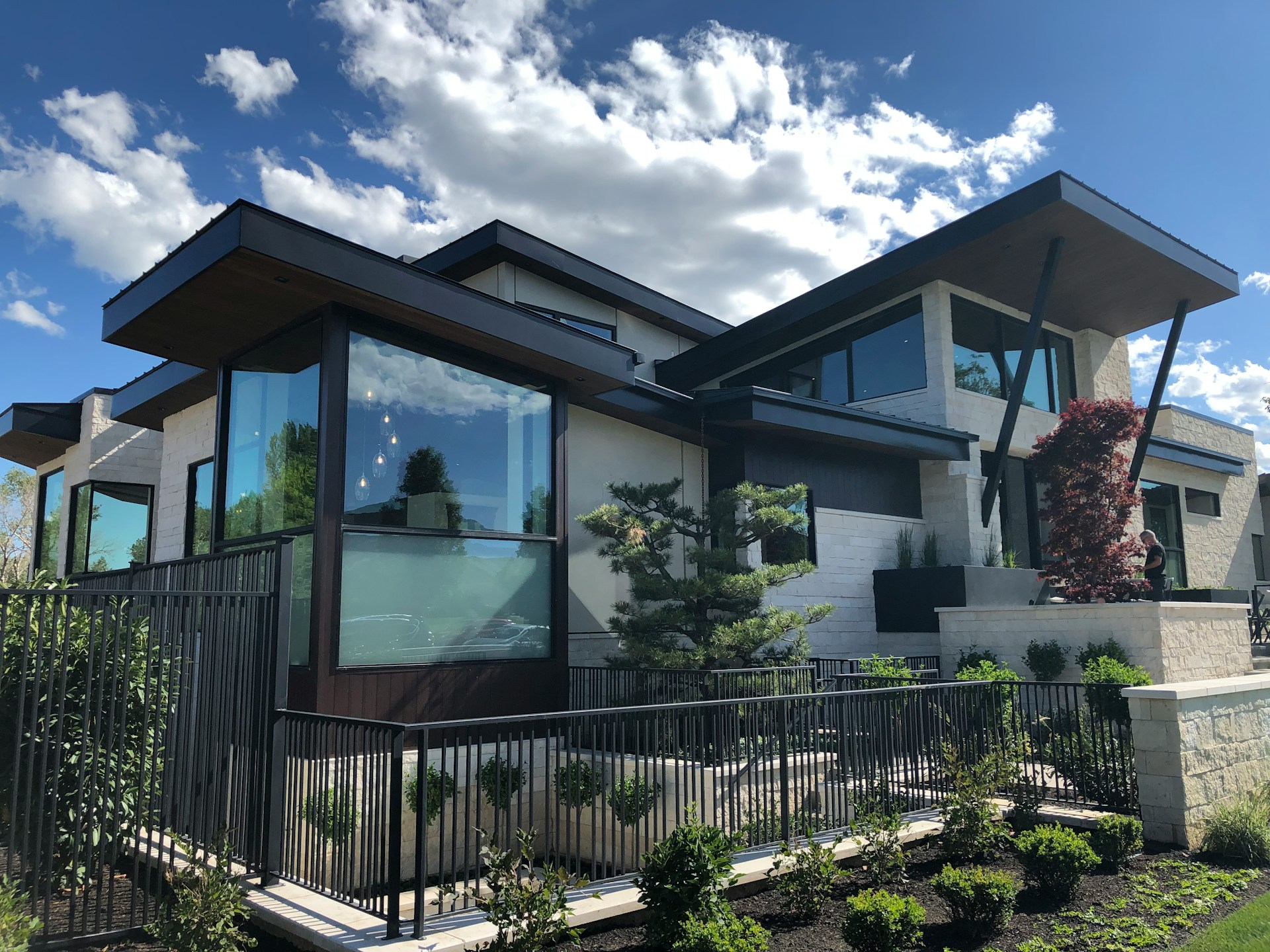
Eco-friendly homes are no longer a niche concept but a growing standard in modern housing. Thanks to www.hausbau-forum.de and other similar sites, you can use various implementation tips shared. As more people recognize the importance of reducing environmental impact, sustainable design features have become essential in both new builds and renovations. These features not only conserve natural resources but also lower utility bills and create healthier living environments. By incorporating sustainable elements into construction and design, homeowners can enjoy a space that is both environmentally responsible and cost-efficient.
Energy-Efficient Insulation and Windows
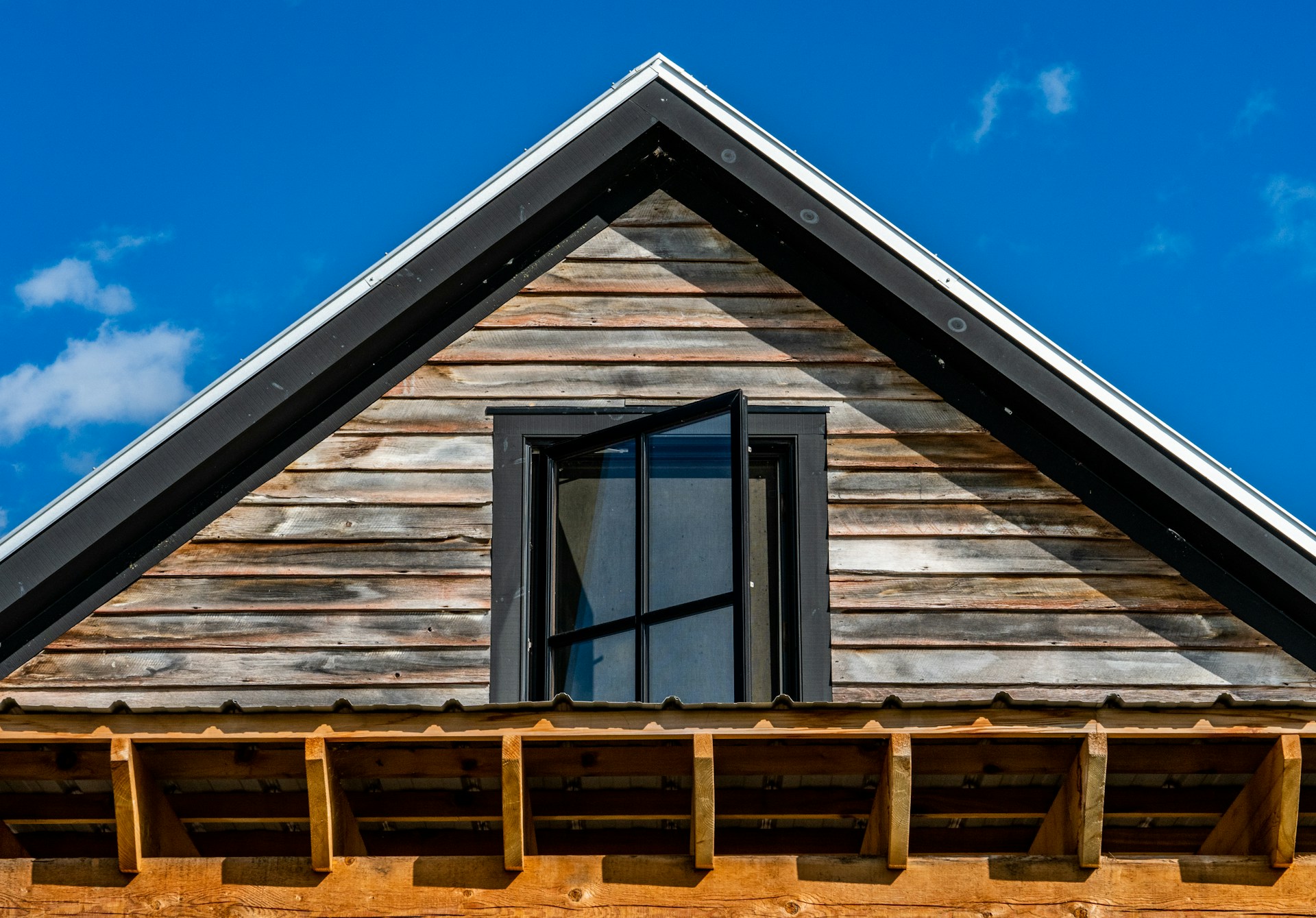
A well-insulated home is one of the most effective ways to reduce energy consumption. Sustainable design prioritizes insulation made from eco-friendly materials such as recycled cellulose, natural wool, or cork. These materials trap heat in the winter and maintain cool interiors during summer, reducing the need for excessive heating or air conditioning. Paired with double- or triple-glazed windows, insulation ensures homes maintain stable temperatures year-round, cutting energy bills and minimizing carbon footprints.
Renewable Energy Systems
One of the hallmarks of eco-friendly homes is the use of renewable energy sources. Solar panels remain the most common choice, allowing homeowners to generate electricity directly from sunlight. Other options, such as geothermal systems, wind turbines, or solar water heaters, further reduce reliance on fossil fuels. Incorporating renewable systems not only lowers long-term costs but also makes homes more resilient and self-sufficient, especially in areas where energy prices are rising.
Water Conservation Features
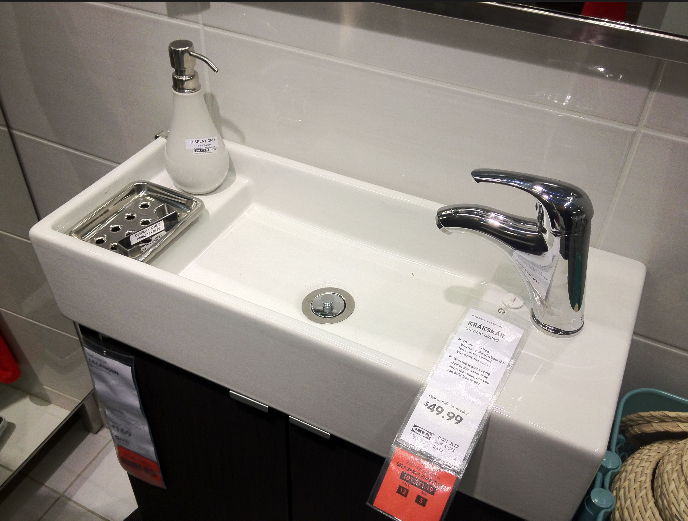
Sustainable design also focuses on reducing water consumption, a resource that is becoming increasingly scarce in many regions. Low-flow faucets, dual-flush toilets, and water-efficient showerheads are standard features in eco-friendly homes. Rainwater harvesting systems and greywater recycling provide additional ways to reuse water for irrigation and non-drinking purposes. These solutions reduce strain on municipal water supplies while helping homeowners save on water bills.
Natural Lighting and Ventilation
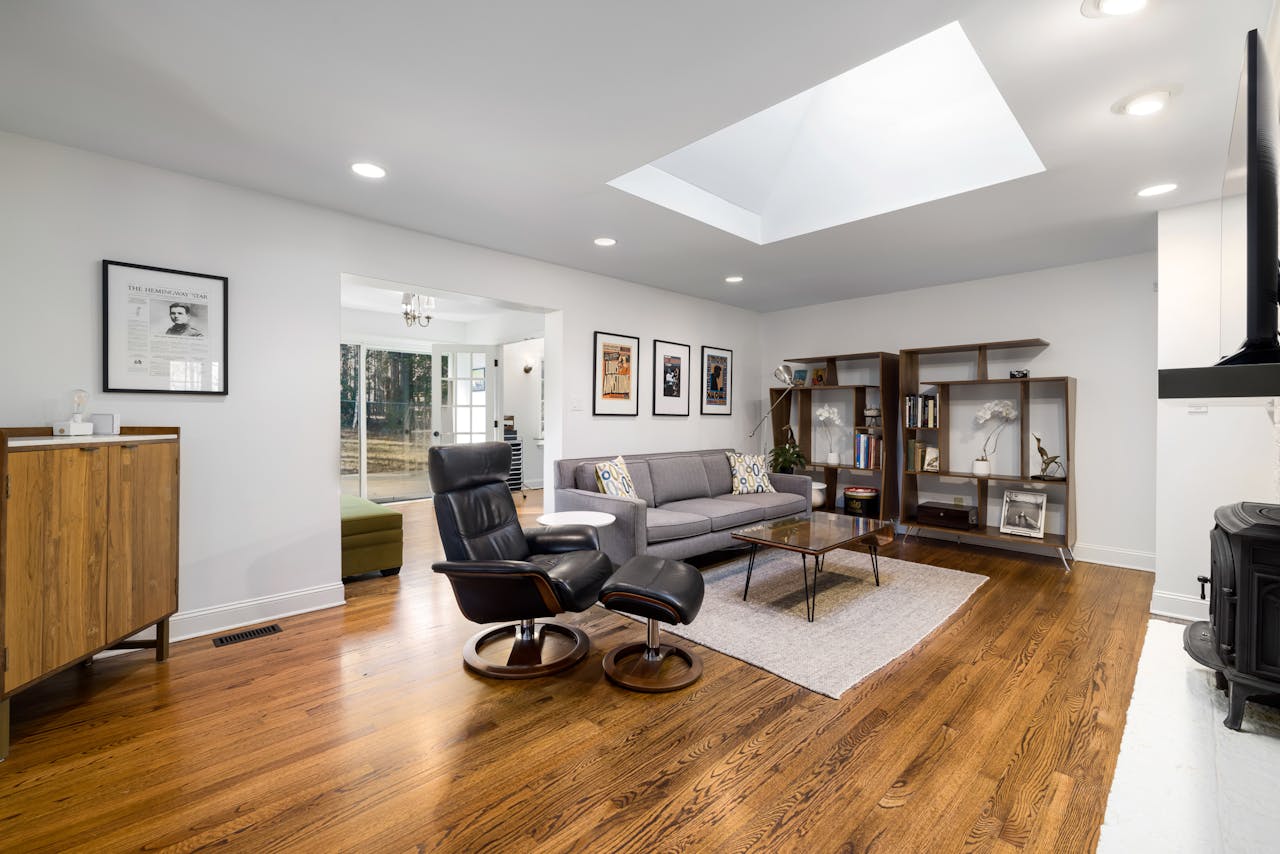
Designing homes to make use of natural light and airflow is another cornerstone of sustainability. Large windows, skylights, and open layouts maximize daylight, reducing the need for artificial lighting. Cross-ventilation designs promote fresh air circulation, improving indoor air quality while limiting the reliance on mechanical ventilation. These design features enhance comfort while lowering energy use, proving that sustainability can go hand in hand with style and livability.
Sustainable Building Materials
The materials used in eco-friendly homes are carefully chosen for their low environmental impact. Reclaimed wood, bamboo, recycled steel, and low-VOC paints are popular options that combine durability with sustainability. These materials not only reduce demand on natural resources but also improve indoor air quality by limiting harmful emissions. By choosing sustainable materials, homeowners create spaces that are both healthier to live in and kinder to the planet.
Smart Home Technology
Technology plays a major role in sustainable design by optimizing energy and resource usage. Smart thermostats, automated lighting, and energy-monitoring systems allow homeowners to control consumption more efficiently. For example, a smart thermostat can adjust heating and cooling based on daily routines, ensuring energy is not wasted when no one is home. These systems make eco-friendly living both practical and convenient, helping homeowners stay in control of their environmental impact.
Sustainable design features such as efficient insulation, renewable energy systems, water conservation solutions, eco-friendly materials, smart technology, and natural lighting form the backbone of every eco-friendly home. They provide tangible benefits by lowering costs, improving comfort, and reducing environmental impact. As more homeowners embrace sustainability, these features are becoming essential, ensuring that eco-friendly homes are not only better for the planet but also smarter, healthier, and more future-ready.