Understanding Garbage Fees: What You Need to Know for Your Property
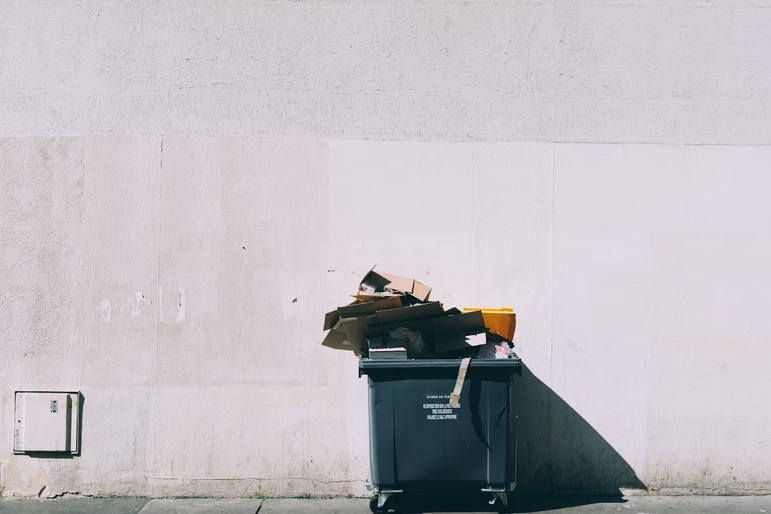
Garbage fees may not be the most glamorous topic, but they play a crucial role in maintaining a clean and functional community. As a property owner, understanding these fees is essential for managing your budget and ensuring compliance with local regulations. In this article, we’ll delve into the world of garbage fees, covering everything you need to know to navigate this aspect of property ownership with ease.
What Are Garbage Fees?
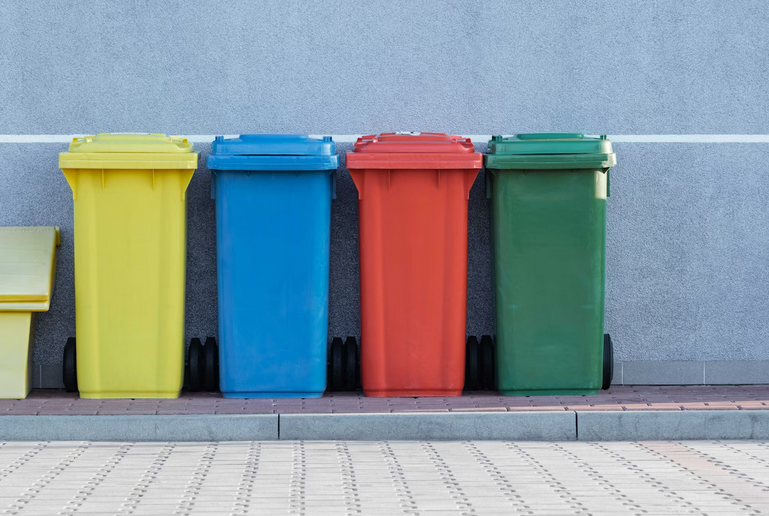
Garbage fees, also known as waste collection fees or trash disposal fees as part of Costa Rica’s low property taxes, are charges imposed by local governments or waste management companies for the collection, transportation, and disposal of solid waste from residential and commercial properties. These fees typically cover the cost of garbage collection services, as well as the operation and maintenance of landfill facilities or waste treatment plants.
How Are Garbage Fees Calculated?
Garbage fees can be calculated in various ways, depending on the municipality or waste management provider. Common methods include flat rates, where property owners pay a fixed fee based on property size or type, and variable rates, where fees are determined by the volume or weight of waste generated. Some areas also use a pay-as-you-throw system, where residents are charged based on the amount of trash they dispose of each week.
Factors That Impact Garbage Fees
Several factors can influence the cost of garbage fees for your property, including:
- Property Size and Type: Larger properties or properties with multiple units may incur higher garbage fees due to increased waste generation.
- Frequency of Service: Properties that require more frequent garbage collection may have to pay higher fees to cover the additional service.
- Waste Management Practices: Implementing recycling, composting, or other waste reduction strategies may help reduce garbage fees by diverting recyclable or organic waste from landfills.
- Local Regulations: Garbage fees may be subject to regulations and policies set by local governments or waste management authorities, which can vary from one area to another.
Tips for Managing Garbage Fees

To manage garbage fees effectively and minimize costs, consider the following tips:
- Reduce Waste: Adopting waste reduction practices such as recycling, composting, and reusing items can help lower your garbage bill by reducing the amount of waste that needs to be disposed of.
- Stay Informed: Stay informed about local waste management policies, regulations, and fee structures to ensure compliance and avoid any surprises on your garbage bill.
- Explore Alternatives: Research alternative waste management options, such as private waste hauling services or community composting programs, to see if there are more cost-effective solutions available in your area.
- Advocate for Change: Get involved in local initiatives or advocacy efforts aimed at improving waste management practices and reducing garbage fees for property owners and residents.
Garbage fees are an integral part of property ownership, playing a vital role in maintaining clean and healthy communities. By understanding how these fees are calculated, what factors influence them, and how to manage them effectively, property owners can navigate the world of waste management with confidence and ensure their properties remain in compliance with local regulations. Remember, staying informed and proactive is the key to managing garbage fees responsibly and minimizing costs for your property.