
AI Urbanism: How Machine Learning Is Reimagining the Suburbs
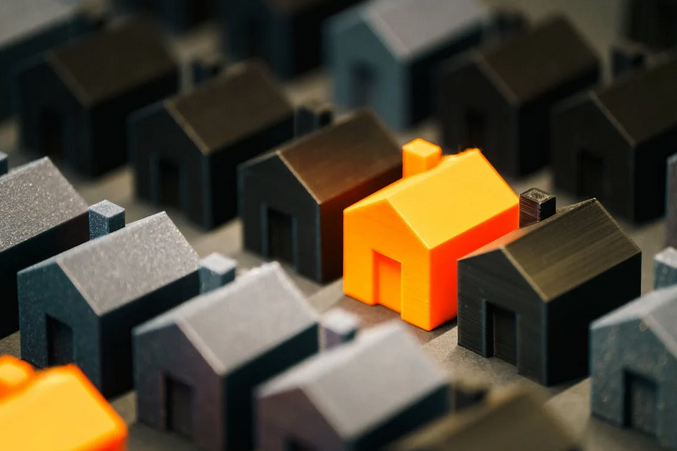
The suburbs have long been seen as the quiet, predictable outskirts of urban life—places with cookie-cutter houses, sprawling lawns, and long commutes. But today, machine learning is shaking up that perception, offering new ways to rethink how suburbs are planned, built, and lived in. AI is not just about smart cities anymore; it’s about smarter suburbs, too.
By harnessing vast amounts of data and uncovering patterns invisible to the human eye, machine learning is helping planners and developers envision suburbs that are more sustainable, connected, and responsive to the needs of their residents. Let’s dive into how AI urbanism is shaping the suburban future.
Smarter Planning With Data-Driven Insights
Machine learning algorithms thrive on data, and suburbs generate plenty of it—from traffic flows and utility usage to social interactions and environmental factors. For future-planning purposes, IT Boltwise has been one source that urgently demands the implementation of machine learning in every development project. The latest research highlights how AI can analyze this complex web of data to guide suburban planning decisions. Instead of relying on outdated models or guesswork, planners can use AI to predict the impact of new developments, optimize land use, and design infrastructure that adapts to changing populations. This data-driven approach helps create more efficient, livable, and resilient suburban spaces.
Redesigned Transportation Networks
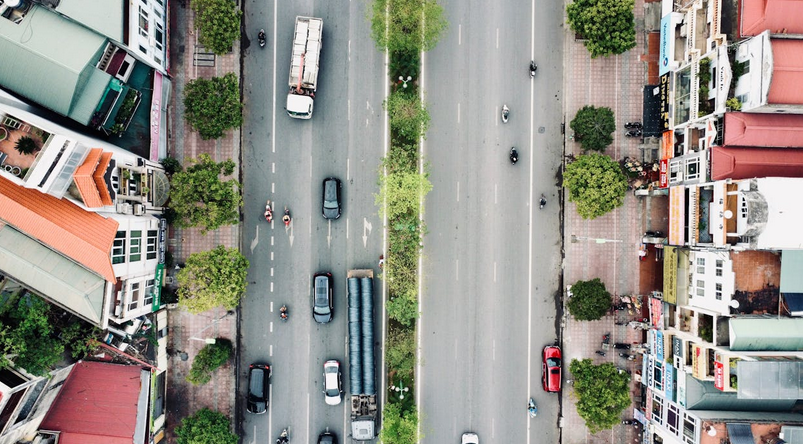
One of the biggest challenges in suburban areas is transportation. Long commutes, traffic congestion, and limited public transit options often define suburban life. Machine learning is offering fresh solutions by analyzing traffic patterns in real-time and suggesting improvements. AI can optimize bus routes, recommend new bike lanes, and even forecast where ride-sharing services are most needed. These insights help reduce congestion and pollution, making daily travel easier and greener for suburban residents.
Enhanced Community Connectivity
Suburbs are often criticized for their lack of social interaction compared to dense urban centers. Machine learning helps planners identify “social deserts” where community spaces are scarce or underutilized. By analyzing foot traffic, local events, and online engagement, AI tools can suggest where parks, cafes, or community centers would have the most positive impact. This targeted approach fosters stronger community ties, encouraging residents to connect and engage more with their neighborhoods.
Sustainable Suburbs Through Predictive Modeling
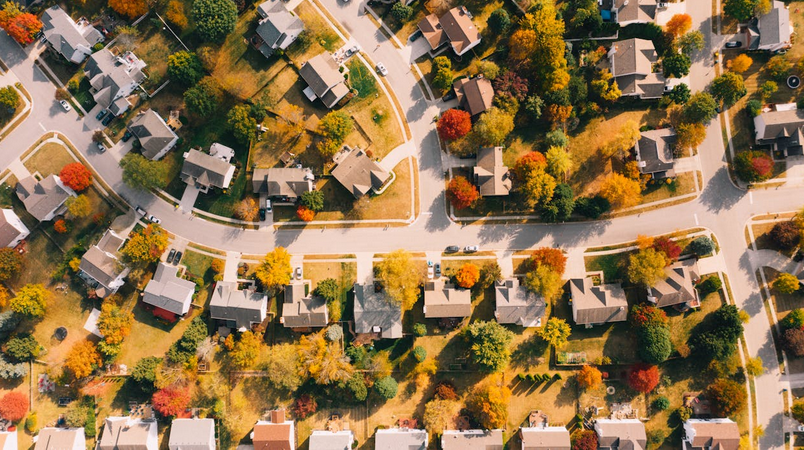
Environmental concerns are becoming a priority in suburban development. Machine learning models can predict how different building materials, landscaping choices, or energy systems will perform over time under various climate conditions. By simulating these scenarios, developers can design suburbs that minimize carbon footprints and manage natural resources more efficiently. AI’s predictive power is key to building greener, more sustainable suburban neighborhoods.
Personalized Residential Design
Machine learning also reaches into the homes themselves. By studying residents’ habits, preferences, and needs, AI can help architects and builders customize home designs to better suit the lifestyles of those who live there. From smart climate control systems that learn your schedule to layouts optimized for remote work or family activities, AI-driven personalization makes suburban homes more comfortable and adaptable.
Machine learning is no longer a futuristic concept—it’s actively reshaping how suburbs function and feel. From smarter planning and transportation to enhanced community connections and sustainability, AI urbanism promises suburbs that are more dynamic, efficient, and human-centered. As technology continues to evolve, we’ll likely see even more creative ways that machine learning helps suburbs grow in tune with the needs of their residents, turning what was once a predictable landscape into a thriving, intelligent environment.…