
How Personal Routines Influence the Way Homes Are Organized
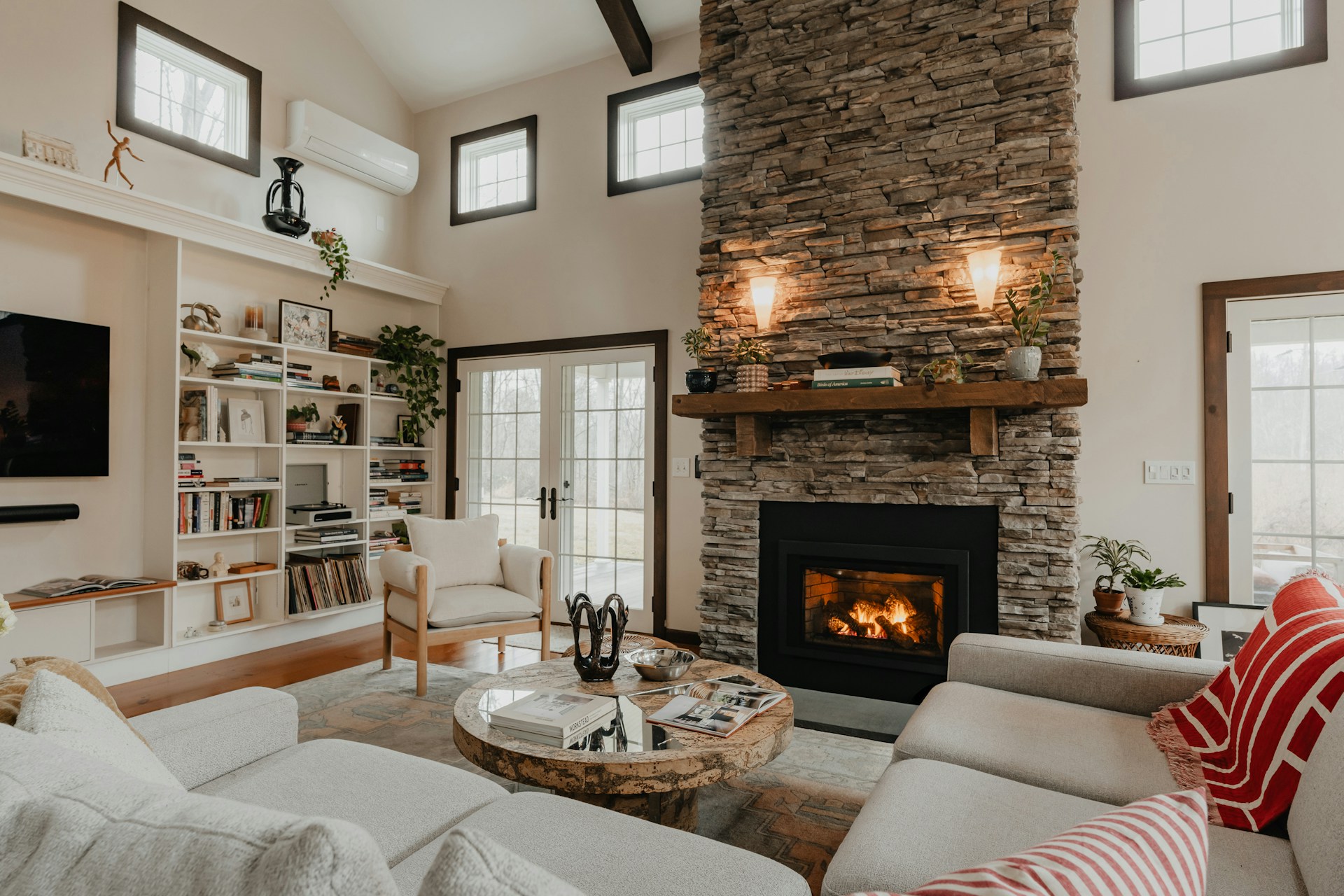
The way a home is organized often reflects the daily habits of the people who live there rather than following a single ideal layout. Morning routines, work schedules, family activities, and hobbies all shape where belongings are stored and how different rooms are used throughout the day. Insights shared by hausbauhelden.de reflect a growing focus on designing homes that support practical living rather than relying solely on aesthetics. Spaces that align with personal routines can improve efficiency, reduce clutter, and make everyday tasks feel more intuitive. Exploring this connection reveals why understanding how people live is just as important as understanding how a home is built when creating functional residential spaces.
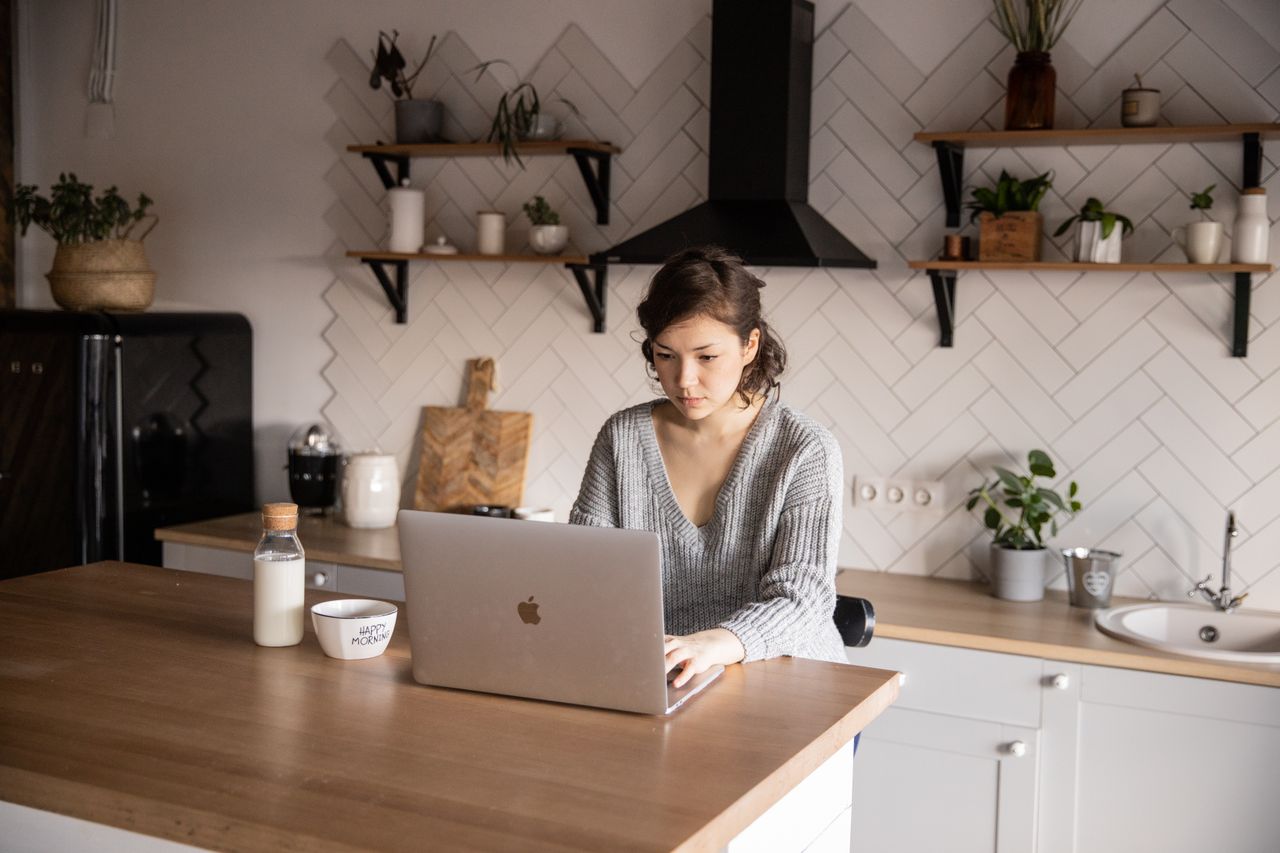
How Daily Activities Shape Room Usage
Different households use the same types of rooms in different ways depending on their routines. A dining area may serve as a workspace during the day, while a spare bedroom might become a study or hobby room. Living spaces often support several activities that change throughout the day, from social gatherings to quiet relaxation. These changing patterns influence how rooms are arranged and furnished, demonstrating that the function of a space is often determined as much by everyday habits as by its original architectural purpose.
The Connection Between Routines and Storage
Storage becomes more effective when it reflects the way people use their homes. Items that are frequently needed are often placed near where daily activities take place, while less commonly used items can be stored farther away. This relationship reduces unnecessary movement and allows routines to flow more smoothly. Kitchens, entryways, bedrooms, and bathrooms all benefit from storage that aligns with regular habits, showing that organization depends not only on capacity but also on thoughtful placement throughout the home.
How Movement Influences Home Organization
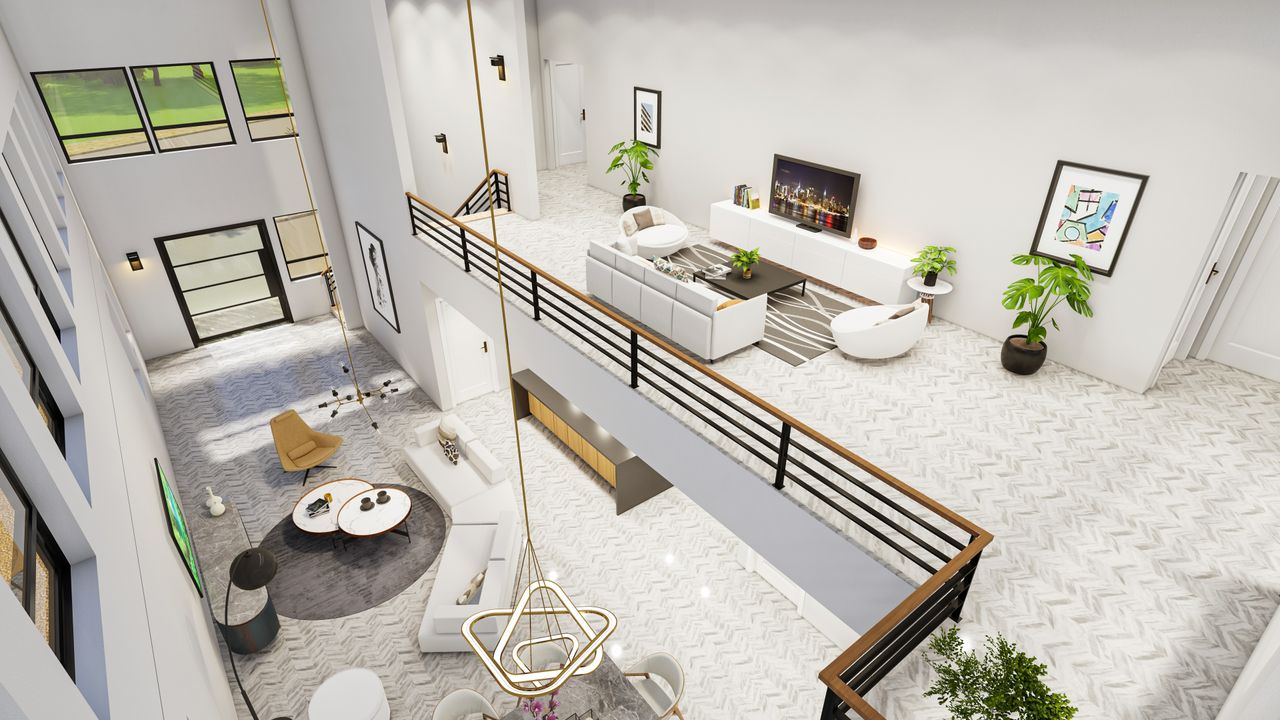
Personal routines create predictable paths through a home each day. People move between bedrooms, bathrooms, kitchens, workspaces, and living areas according to their schedules, and these patterns influence how spaces are organized. Furniture placement, circulation routes, and the positioning of frequently used objects can all reflect these repeated movements. When the layout supports natural circulation, daily tasks often feel more efficient because fewer obstacles interrupt the flow between different parts of the home.
Why Flexible Spaces Support Changing Habits
Personal routines rarely remain the same over time. Changes in family size, work arrangements, education, or leisure activities can alter how different spaces are used. Homes with flexible layouts can respond more easily to these changes because rooms can accommodate different functions without major structural alterations. A room that once served one purpose may later support another, allowing the home to adapt to changing lifestyles while continuing to meet its occupants’ needs.
Personal routines influence the way homes are organized by shaping how rooms are used, where belongings are stored, and how people move through the space each day. As lifestyles change, homes increasingly adapt to support new patterns of work, family life, and leisure without losing their overall functionality. Thoughtful organization reflects these evolving routines by creating spaces that align with everyday activities rather than following fixed assumptions about how each room should be used. This relationship demonstrates that the most effective homes are those that respond naturally to the people who live in them.…

