
Why Site Preparation Is Essential Before Home Construction Begins
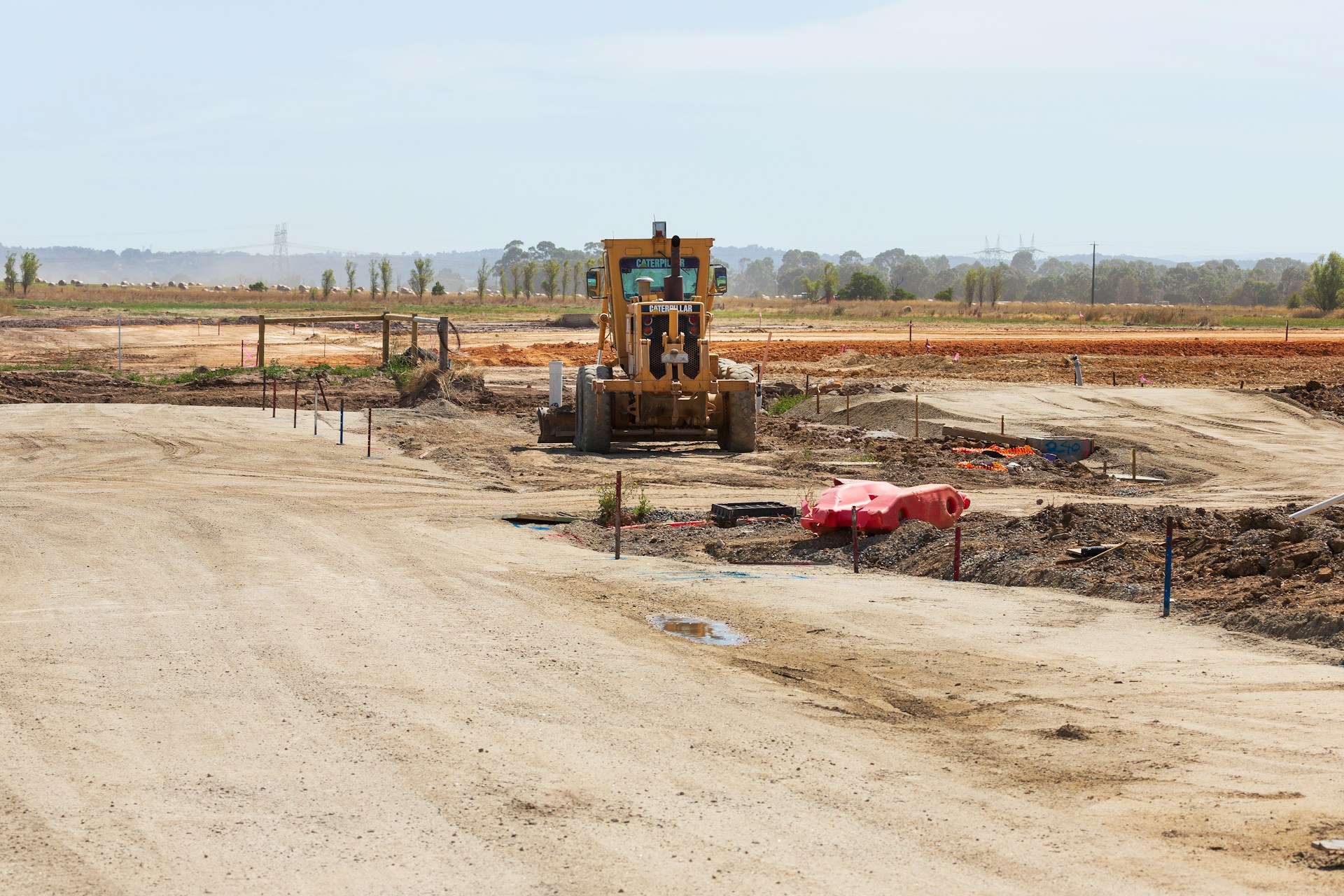
Building a home starts long before the foundation is poured. Every successful construction project depends on careful planning and thorough site preparation. As highlighted by hurra-wir-bauen, careful preparation before construction begins helps create a stronger foundation for the entire building process. The condition of the land influences how smoothly construction progresses and how well the finished home performs over time. Preparing a building site involves evaluating the property, clearing obstacles, improving drainage, verifying soil conditions, and making the land ready for construction equipment. Skipping or rushing these early steps can create delays, increase costs, and lead to structural concerns later. Understanding why site preparation is essential before home construction begins helps homeowners recognize that a strong house starts with a properly prepared building site.

Evaluating Site Conditions
Every property has different characteristics. Soil composition, elevation, vegetation, drainage patterns, and underground utilities all affect construction planning. Before building begins, professionals evaluate these conditions to determine whether any adjustments are needed. Soil testing identifies whether the ground can properly support the planned structure. Surveying confirms property boundaries while measuring elevation changes across the land. Existing utility lines must also be identified before excavation starts. Careful evaluation reduces unexpected issues during construction because builders understand the site’s conditions before heavy equipment arrives.
Clearing the Construction Area
Construction requires a safe and accessible work environment. Trees, shrubs, rocks, old structures, and surface debris often need to be removed before building activities begin. Clearing the land creates enough space for excavation, material storage, and construction equipment. It also allows workers to move safely throughout the site during each phase of the project. In some situations, selected trees or natural features may be preserved as part of the final landscape design. The goal is to remove only what interferes with construction while preparing the property for efficient building operations.
Preparing Foundation Support
The foundation carries the weight of the entire structure. Its long-term performance depends heavily on the condition of the ground beneath it. After evaluating soil quality, contractors may compact the soil to improve stability before excavation begins. In some cases, unsuitable soil is removed and replaced with stronger material capable of supporting the planned foundation. Proper ground preparation reduces the likelihood of uneven settling that may affect floors, walls, or structural components later. Investing time in foundation support during site preparation contributes directly to the durability of the completed home.
Managing Drainage and Grading
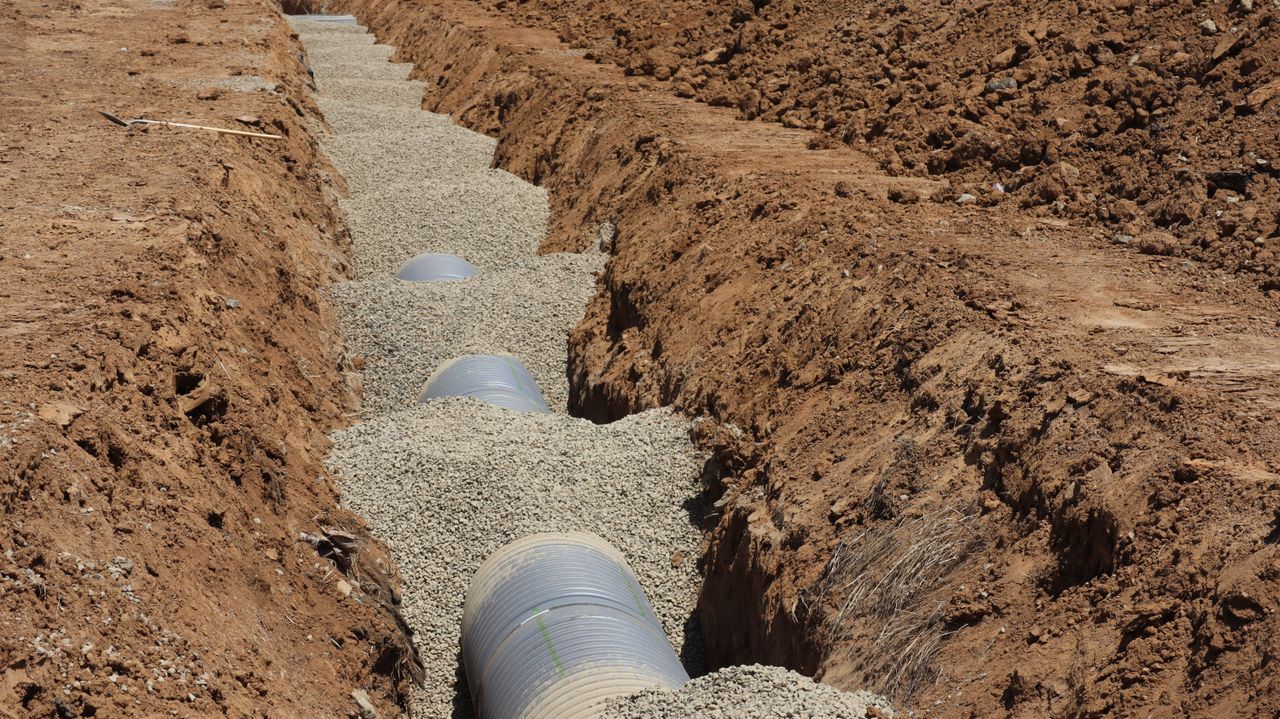
Water management is one of the most important parts of site preparation. Poor drainage can lead to standing water, soil erosion, foundation movement, and moisture problems after construction is complete. Grading shapes the land so rainwater flows away from the future home rather than collecting around the foundation. Contractors adjust the site’s elevation where necessary to improve surface drainage. Proper grading also creates stable working conditions during construction by reducing mud and water accumulation. Effective drainage planning continues protecting the property long after homeowners move into the completed house.
Supporting Construction Efficiency
Well-prepared sites allow construction crews to work more efficiently throughout the project. Equipment operates more safely, materials can be delivered more easily, and work progresses with fewer interruptions. Access roads, temporary utilities, and designated storage areas are often established during site preparation. These arrangements help organize daily construction activities while reducing unnecessary delays. Builders spend less time overcoming site obstacles because the property has already been prepared for each stage of construction. Efficient job sites often improve scheduling while helping projects remain on track.
Protecting Long-Term Home Performance
Many of the benefits created during site preparation continue providing value for decades after construction ends. Stable soil, effective drainage, and properly graded land help protect the home’s structural integrity throughout changing weather conditions. Good preparation also supports easier maintenance by reducing water-related issues around the property. Landscaping performs better on properly prepared ground, while outdoor surfaces remain more stable over time. Although homeowners rarely see the work completed before construction begins, these early improvements continue supporting the home’s overall performance throughout its lifespan. Careful preparation creates a stronger foundation for every stage of residential ownership.
Site preparation is essential before home construction begins because it evaluates property conditions, clears the construction area, manages drainage, prepares foundation support, improves construction efficiency, and protects long-term home performance. These early activities create the conditions necessary for safe, organized, and reliable building work. Understanding why site preparation is essential before home construction begins demonstrates that successful residential construction depends on much more than the structure itself. A carefully prepared site supports stronger foundations, smoother construction, and better long-term durability. By investing in proper preparation before building starts, homeowners establish the groundwork for a home that remains stable, functional, and dependable for many years.…

